

Budgie Gallery
A reference gallery of Park Ridge Heritage Clearwing Budgies, showing real aviary photos where available. Most photo cards use two views of the same variety so visitors can compare front, side, wing and body colour.
Use this gallery as a visual identification aid, not as a guaranteed genetic proof. Exact labels are always strongest when supported by parentage, chick outcomes and breeding records.
Gallery Filters
Use the buttons to quickly show birds by project line or colour group.
Showing all gallery cards.
Amethyst Line Photos
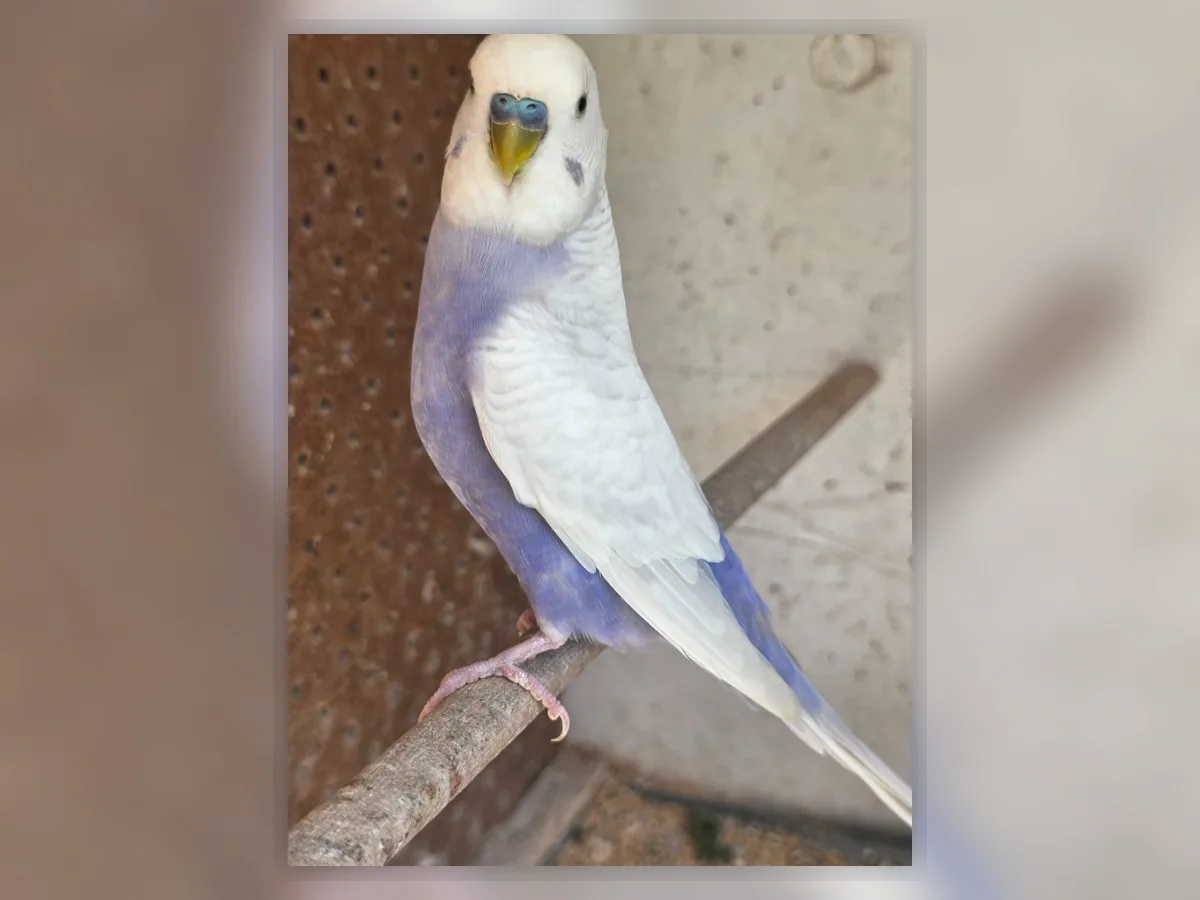
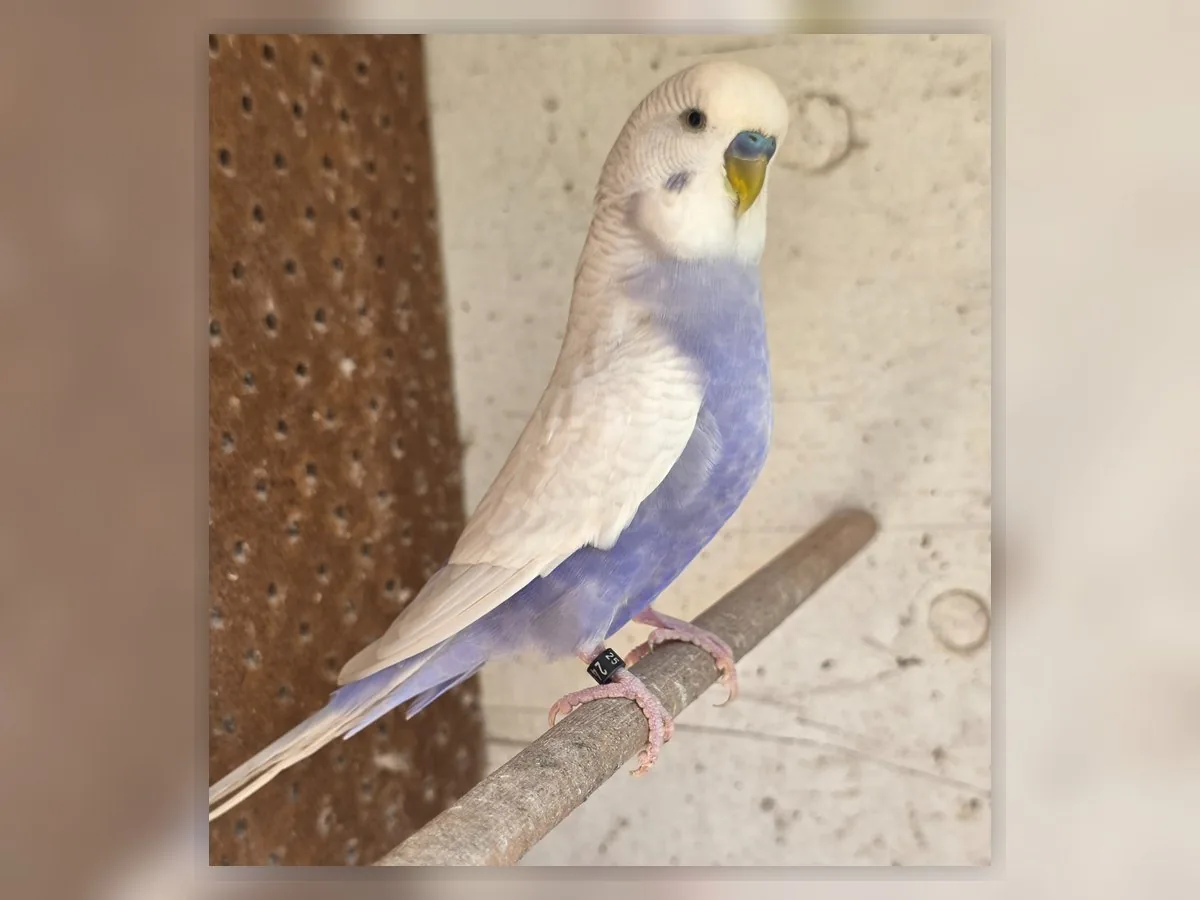
Amethyst ClearwingTwo reference photos for the Amethyst Clearwing project. Amethyst is tracked as a Cinnamon + double factor Violet Clearwing expression, with soft warm violet/lavender body tone and clean pale wings. Eye colour, wing clarity and body warmth are the key records.
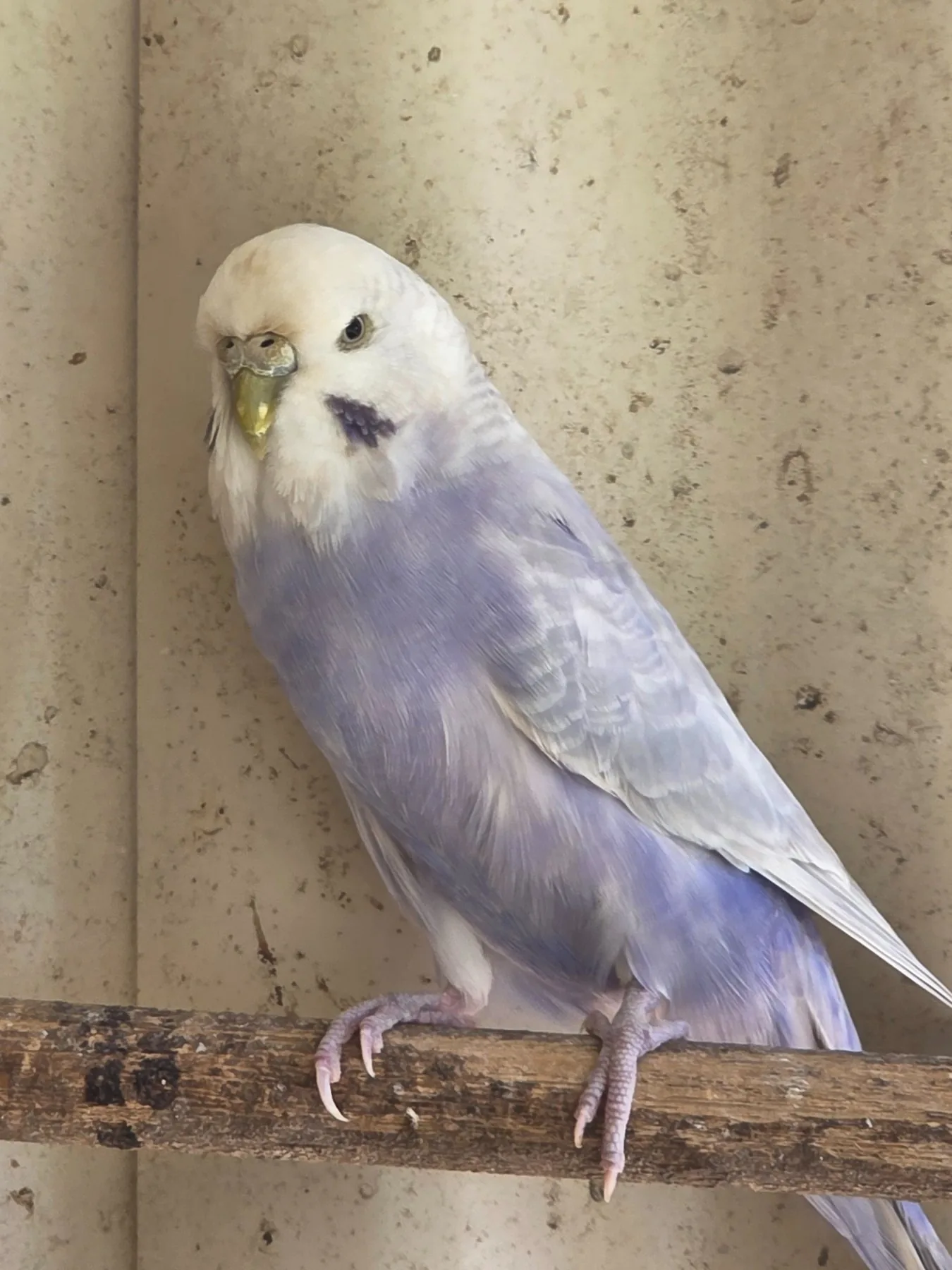
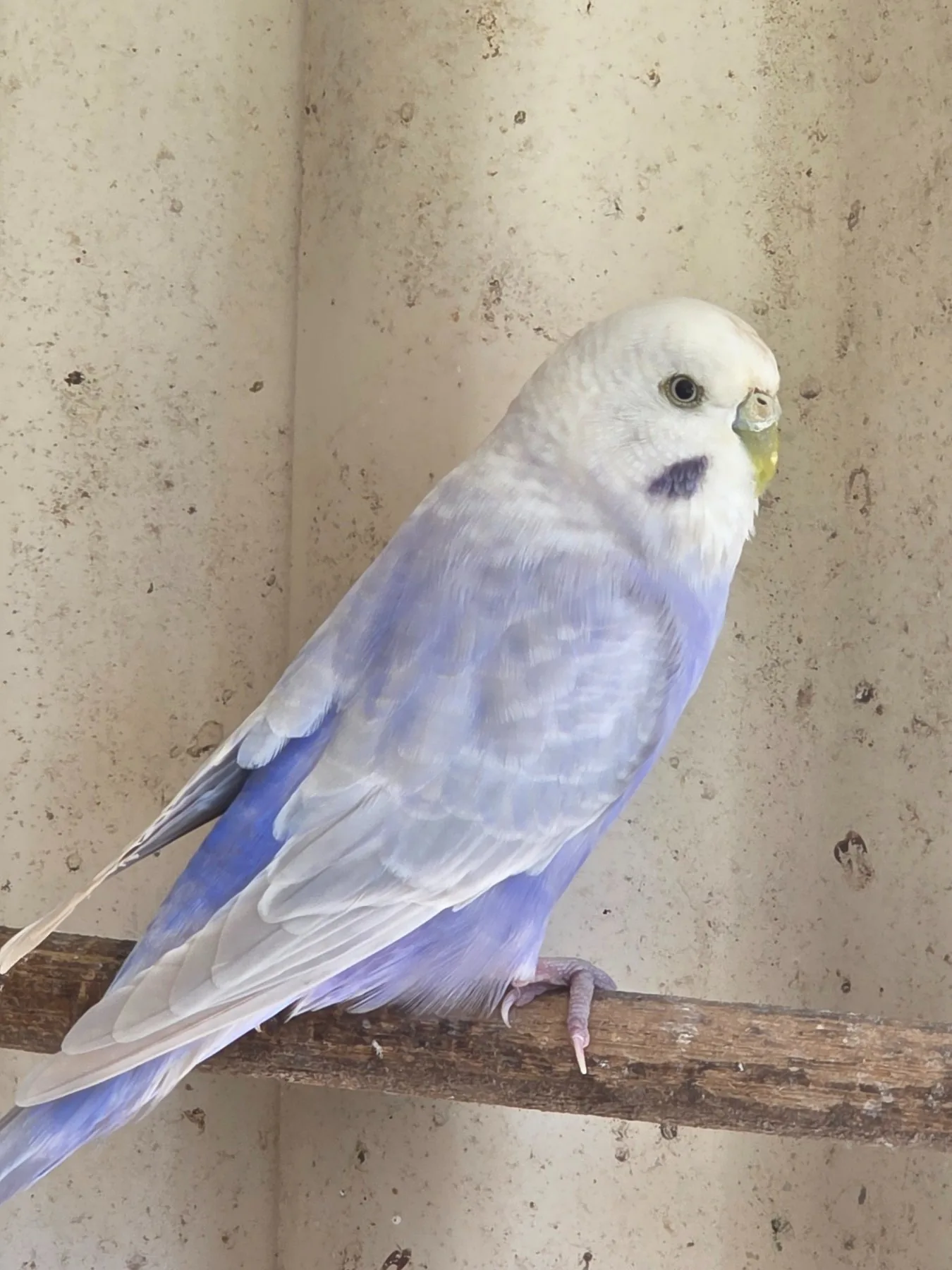
Amethyst Opaline ClearwingOpaline added into the Amethyst line. The Opaline pattern can move body colour into the saddle/wing area, so these birds are recorded carefully for both Amethyst expression and sex-linked Opaline inheritance.
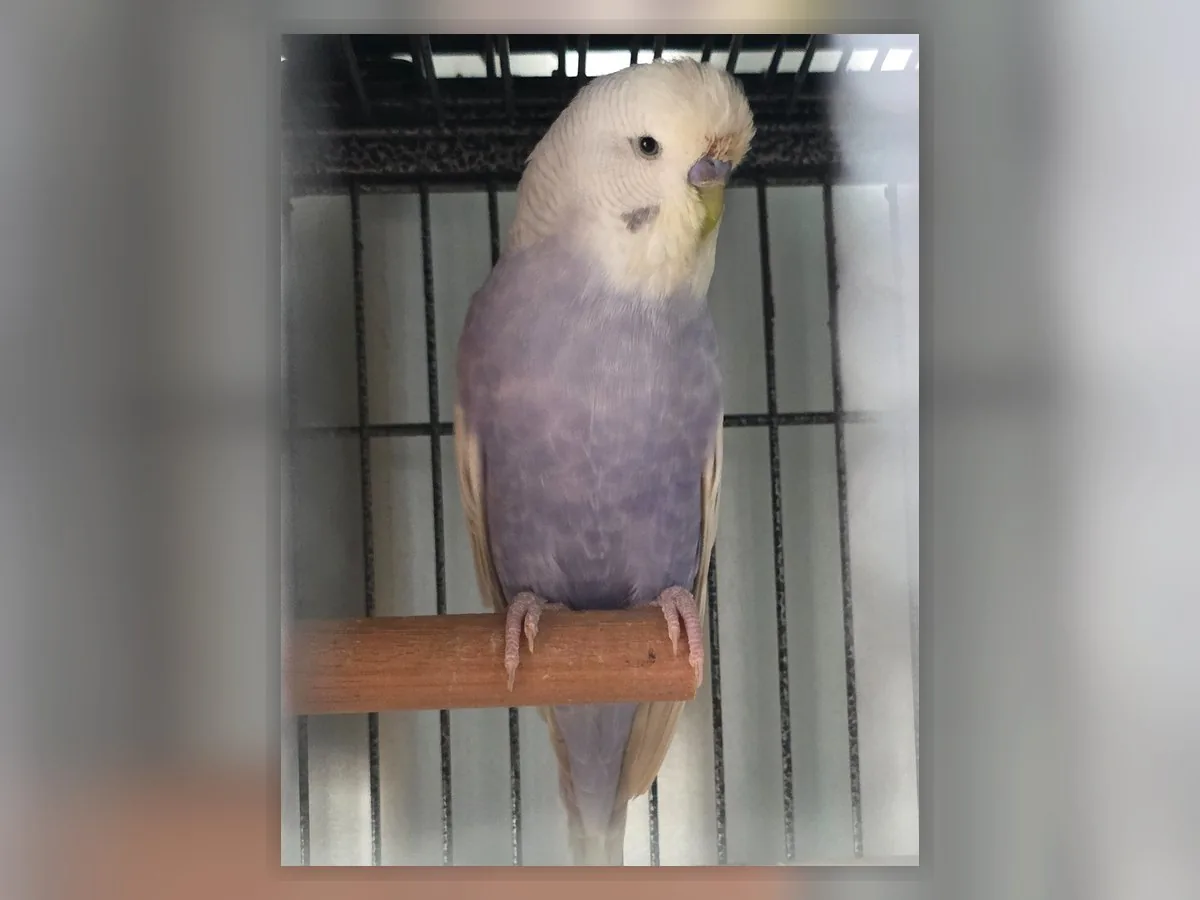
Mauve Amethyst ClearwingA deeper Mauve-based Amethyst project bird. This card is useful for comparing richer mauve/violet depth against lighter Amethyst birds while still checking for clean Heritage Clearwing wing contrast.
Mauve & Blue Line Photos
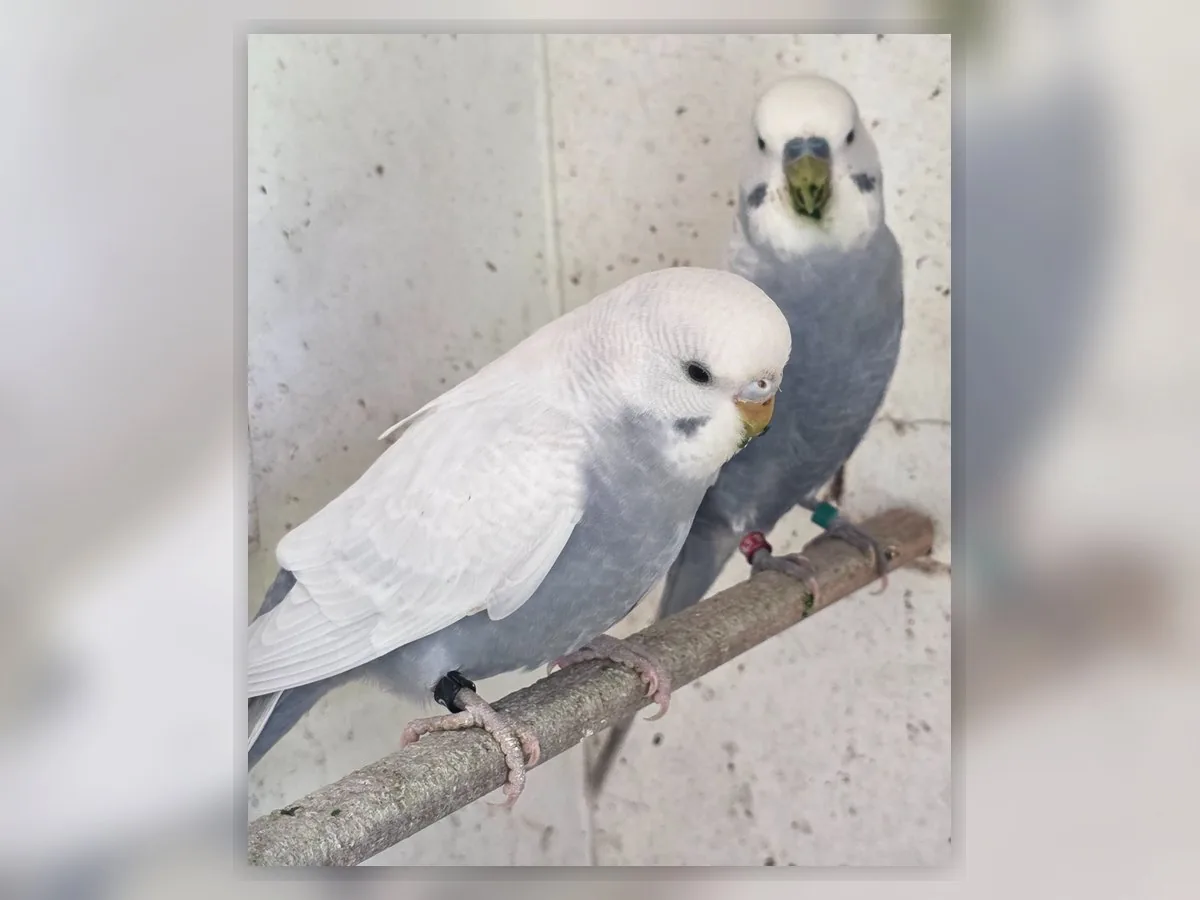
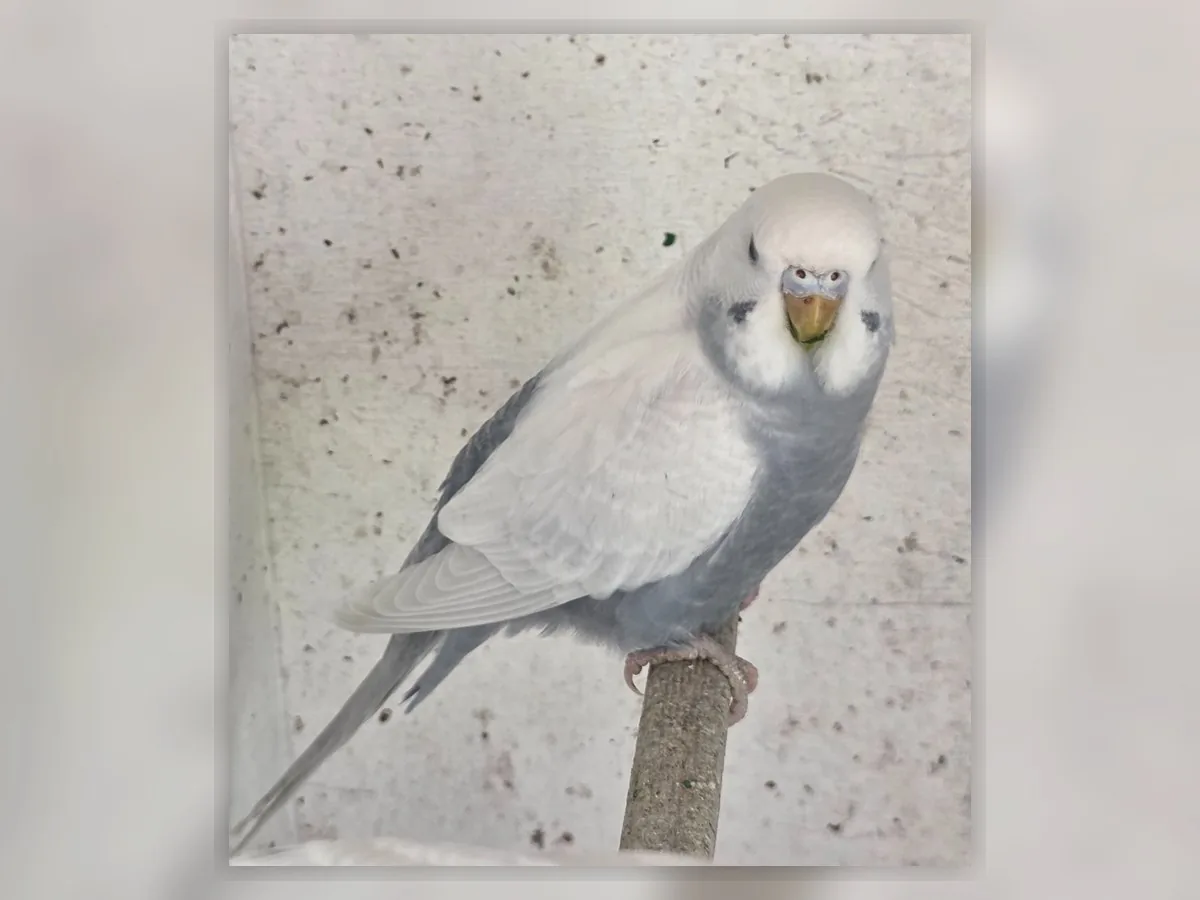
Mauve ClearwingTwo photos showing Mauve Clearwing expression. Mauve is the double dark factor blue-series base, giving a deeper blue-grey/slate body tone. This line is important for Violet Mauve and Amethyst/Mauve breeding plans.
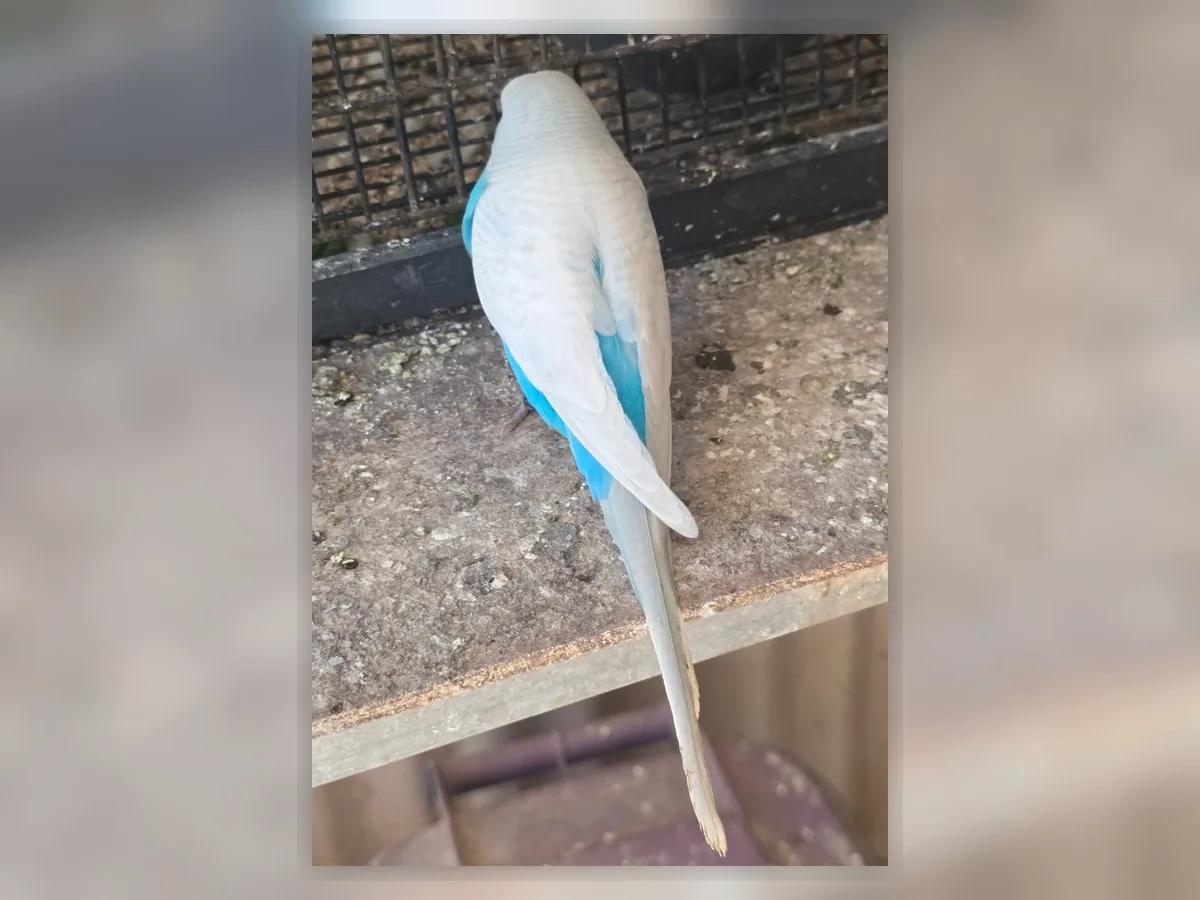
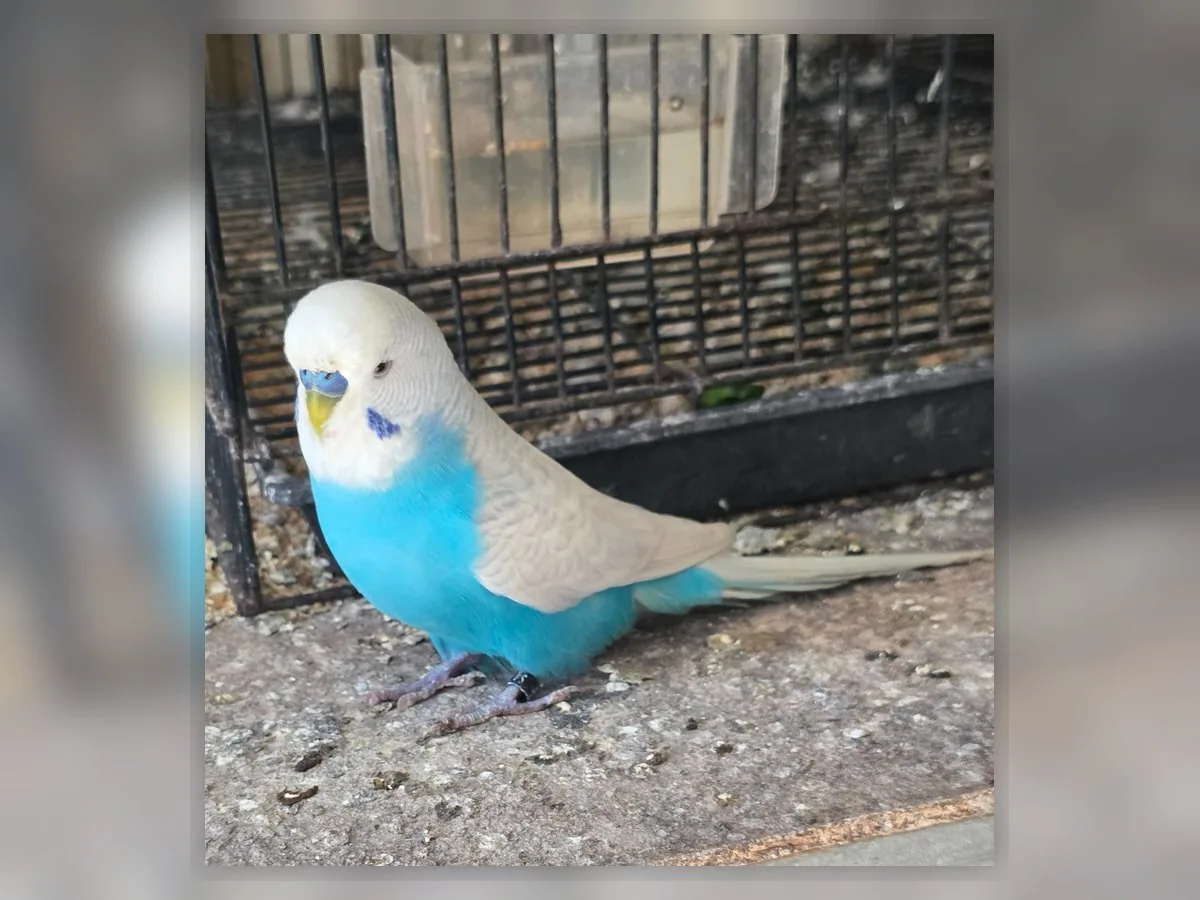
Sky Blue ClearwingTwo Sky Blue Clearwing photos for comparison. Sky Blue is the clean no-dark-factor blue-series base and is one of the easiest colours for judging white wing contrast and overall Clearwing quality.
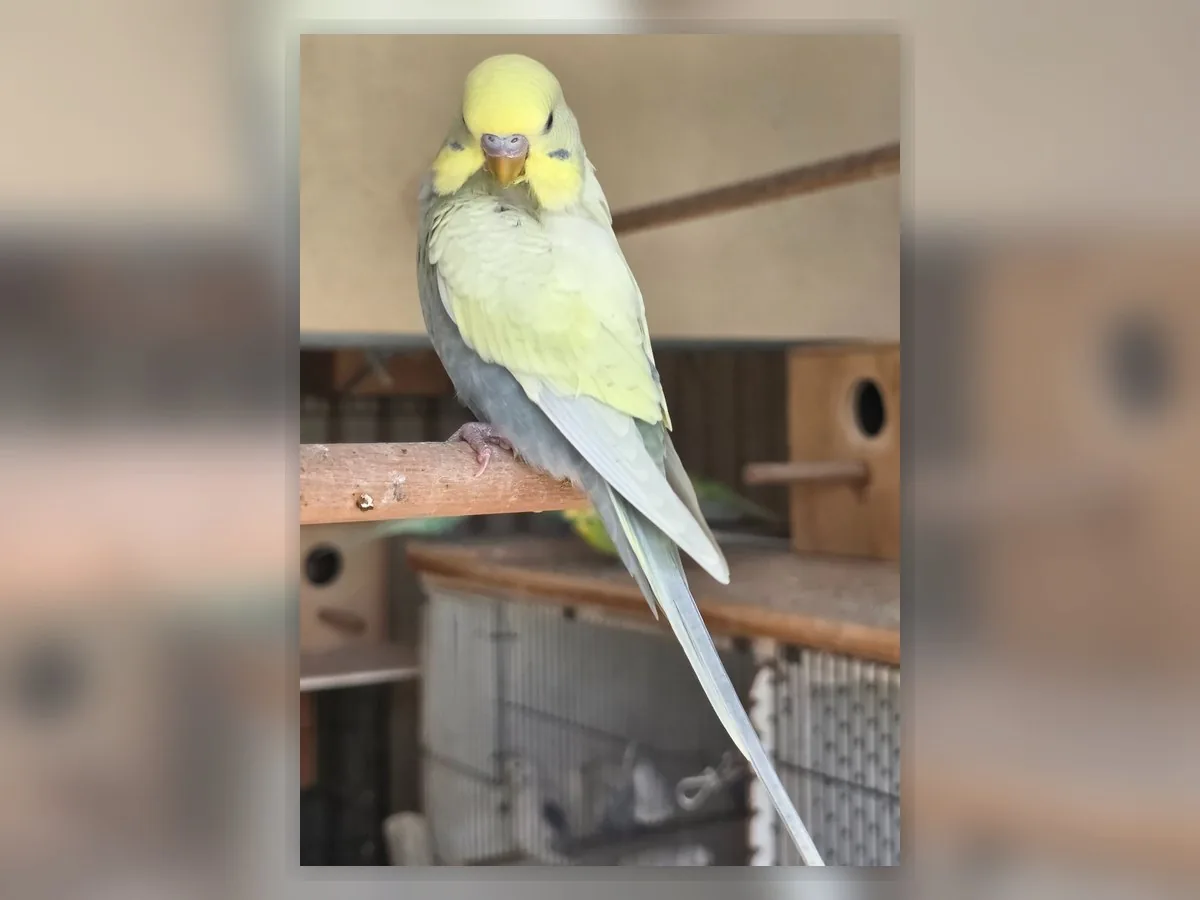
Yellowface Mauve ClearwingYellowface influence in the Mauve & Blue line. The head colour, mask spread and any yellow suffusion into the body are recorded because they can change the appearance of blue-series Mauve Clearwings.
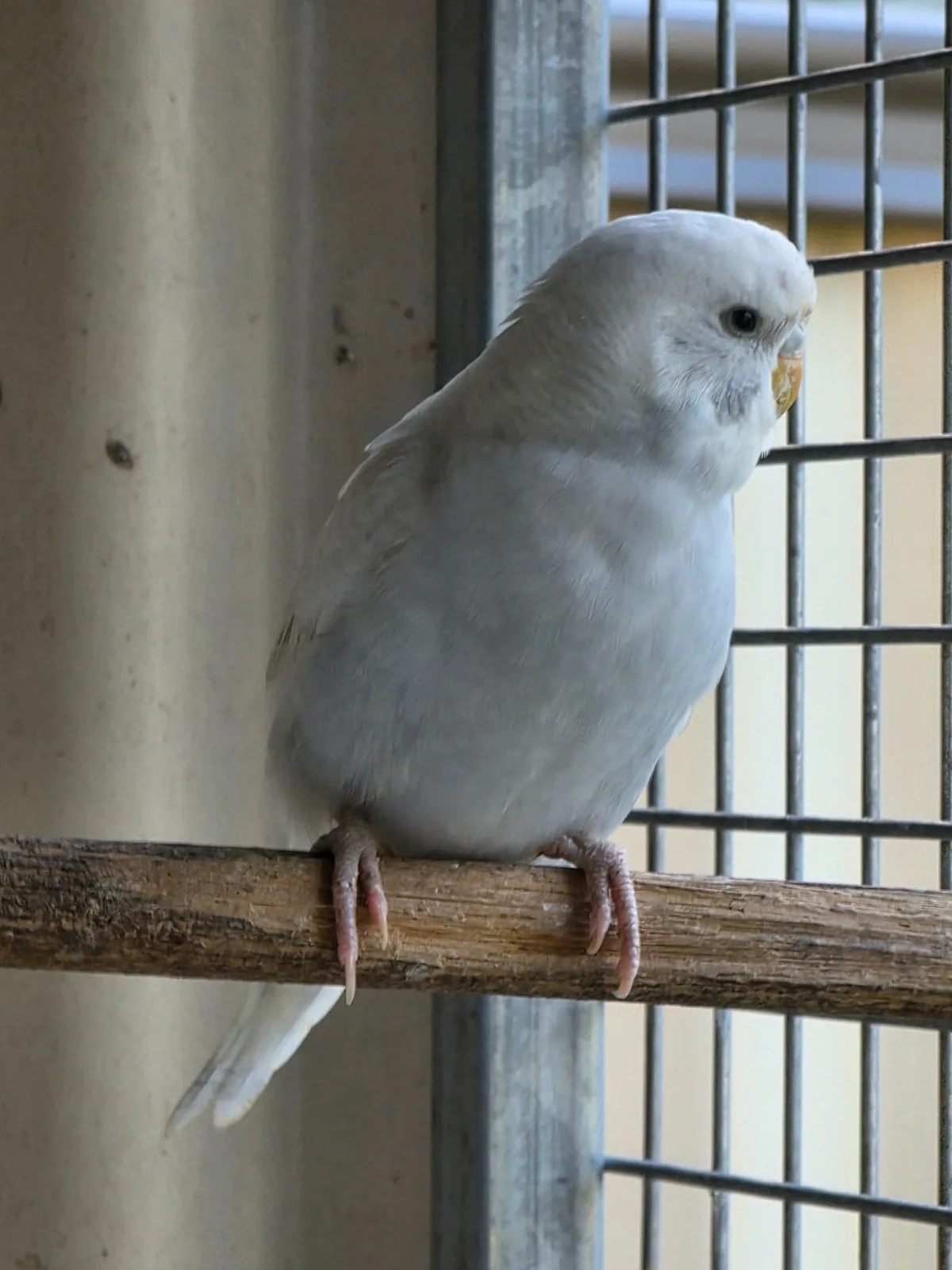
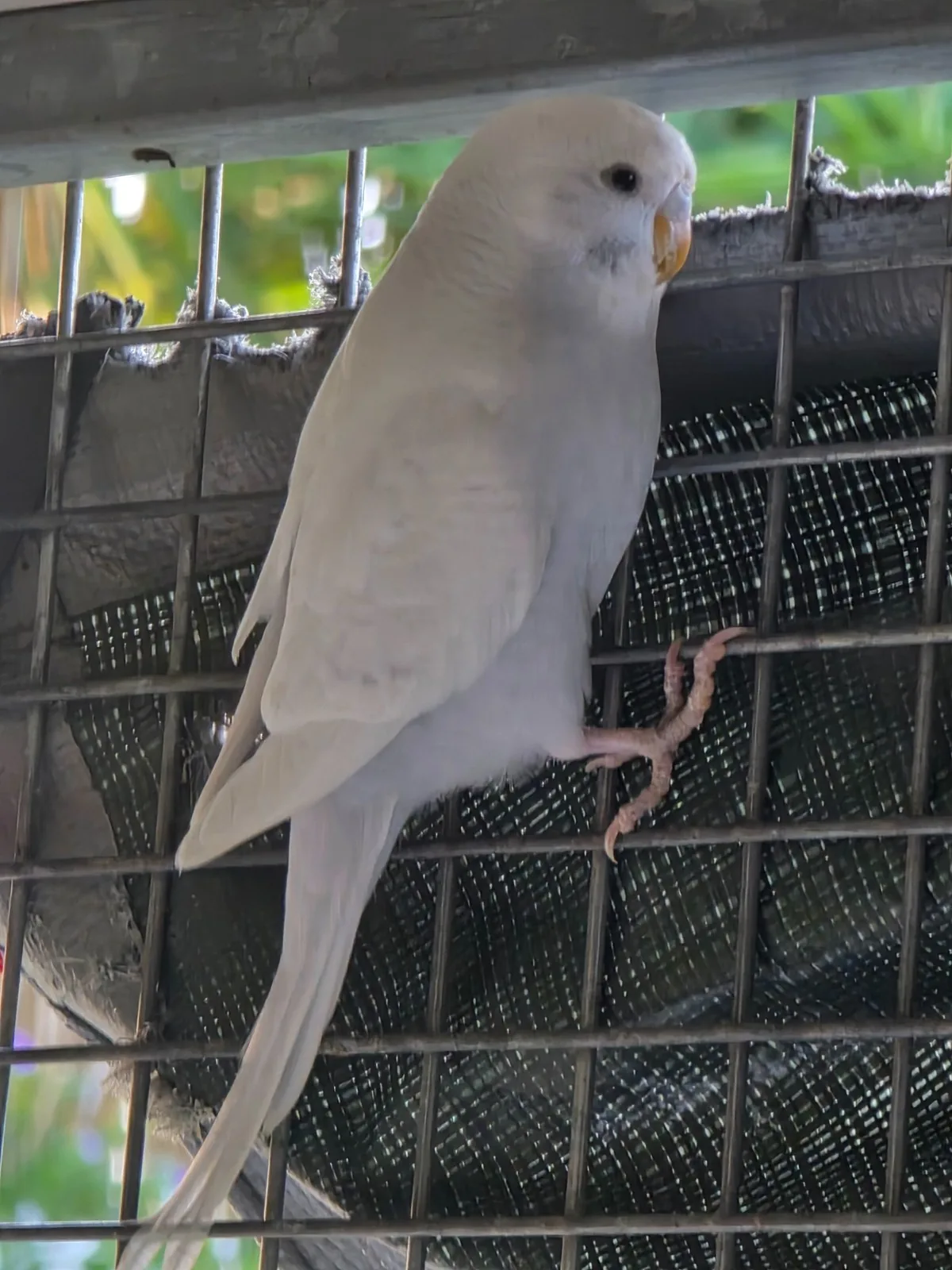
Visual Dilute Mauve ClearwingVisual Dilute in the Mauve Clearwing line. Dilute softens body colour, so this card helps separate true Dilute expression from normal Clearwing variation, pale feathering or light camera exposure.
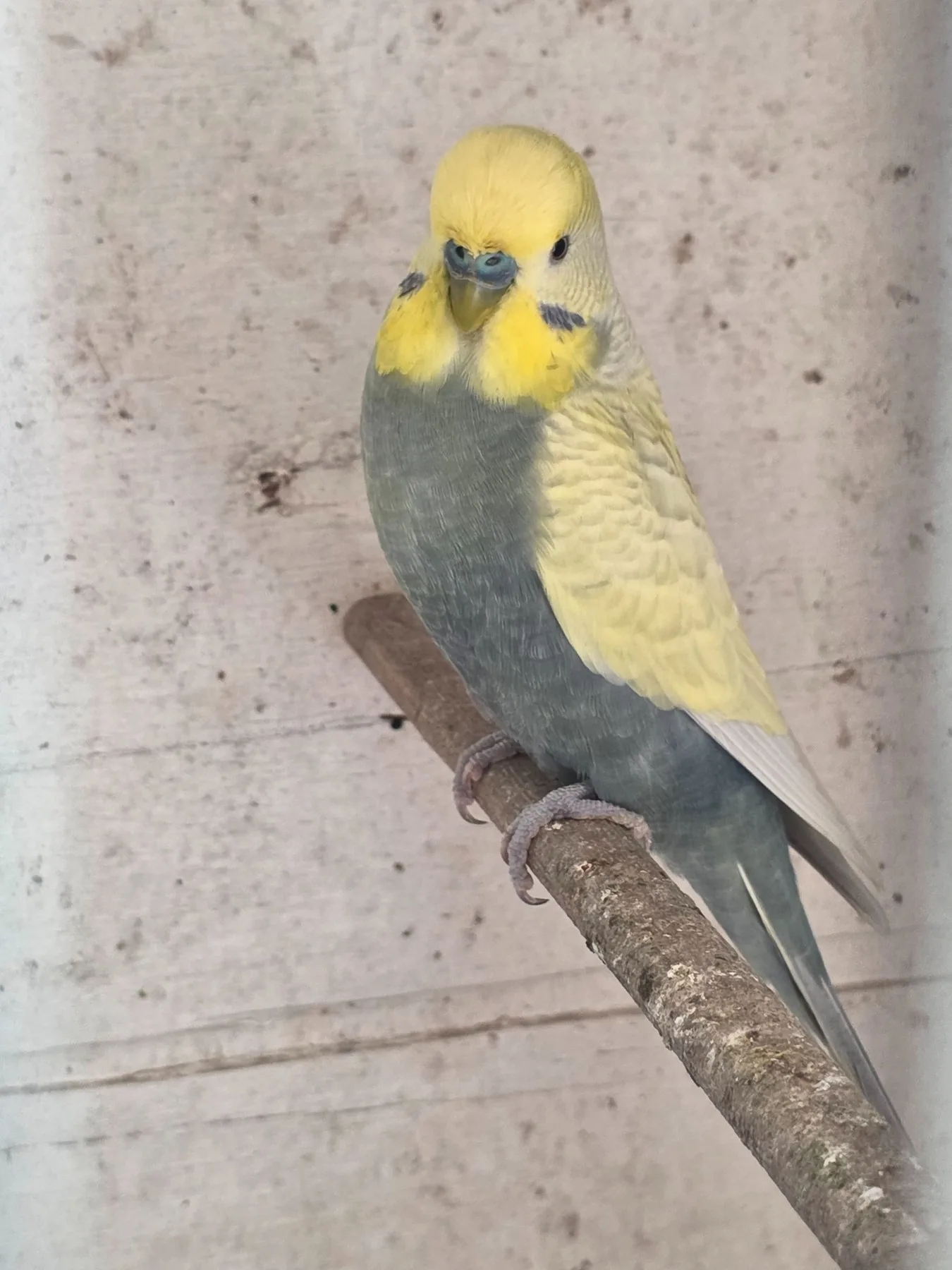
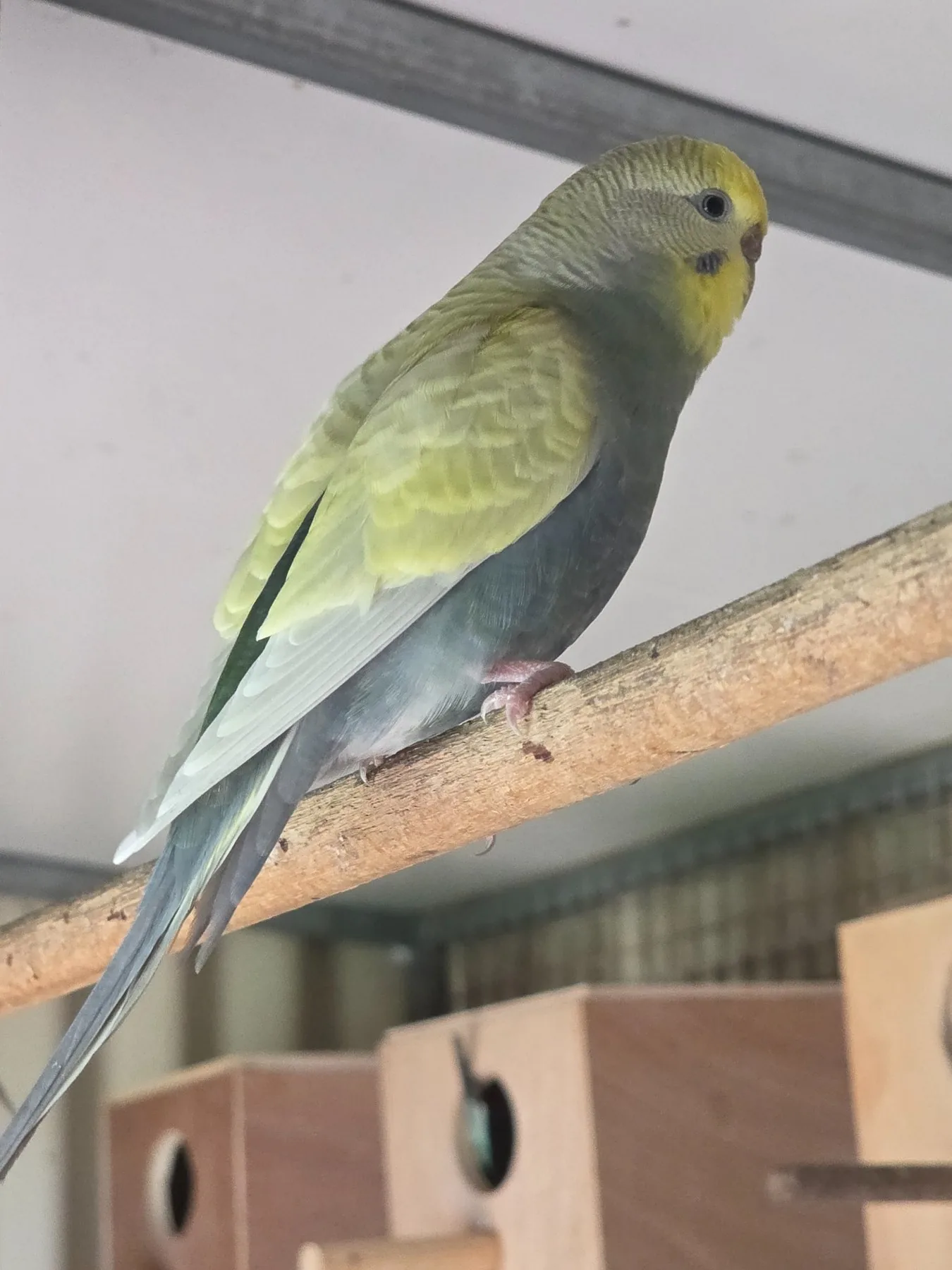
Goldentop Mauve Violet ClearwingMauve/Violet Clearwing with Goldentop or Yellowface influence. The yellow head influence is tracked alongside the deep violet-mauve body tone and clean Heritage Clearwing wings.
Red Violet Line Photos
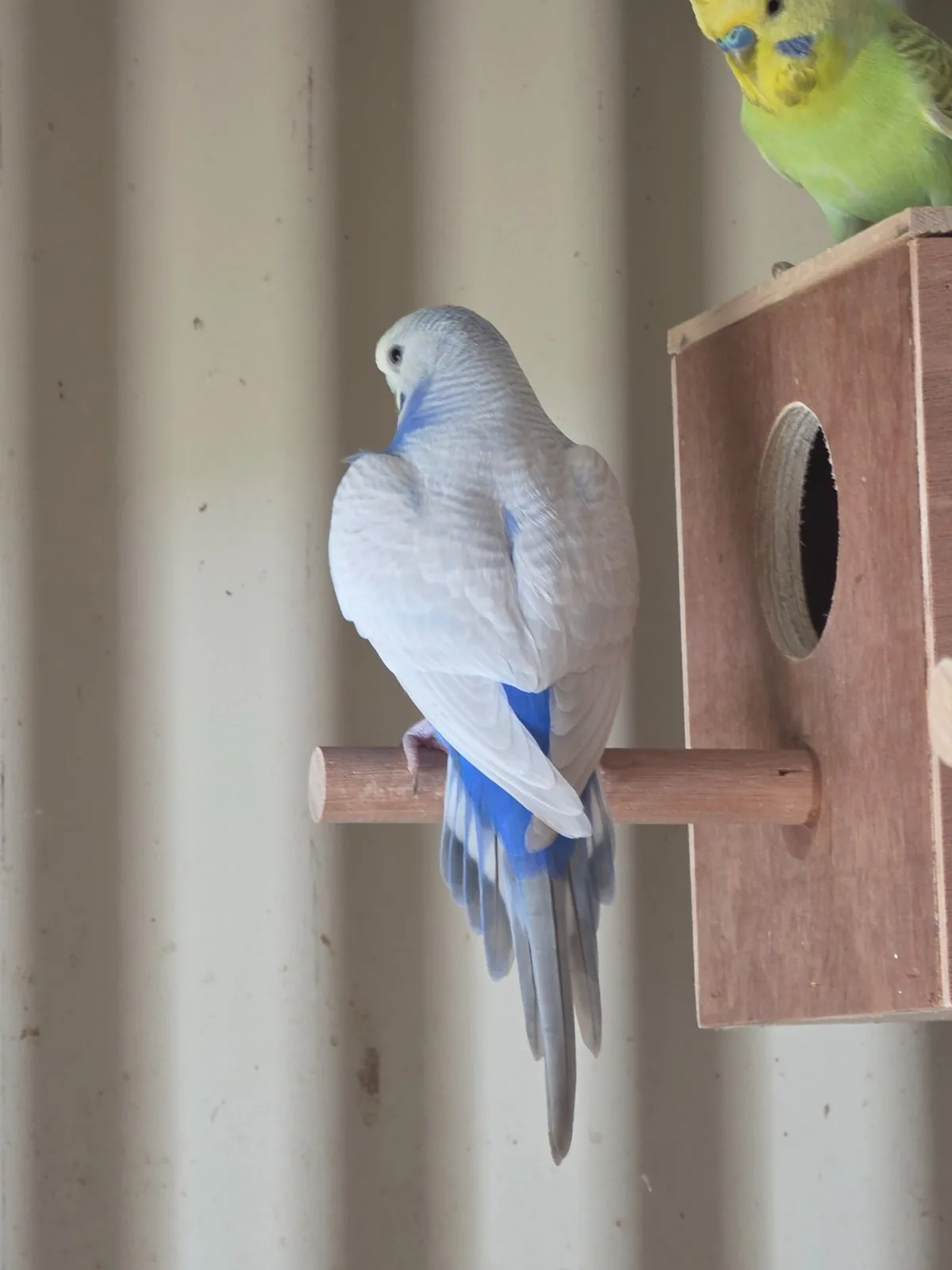
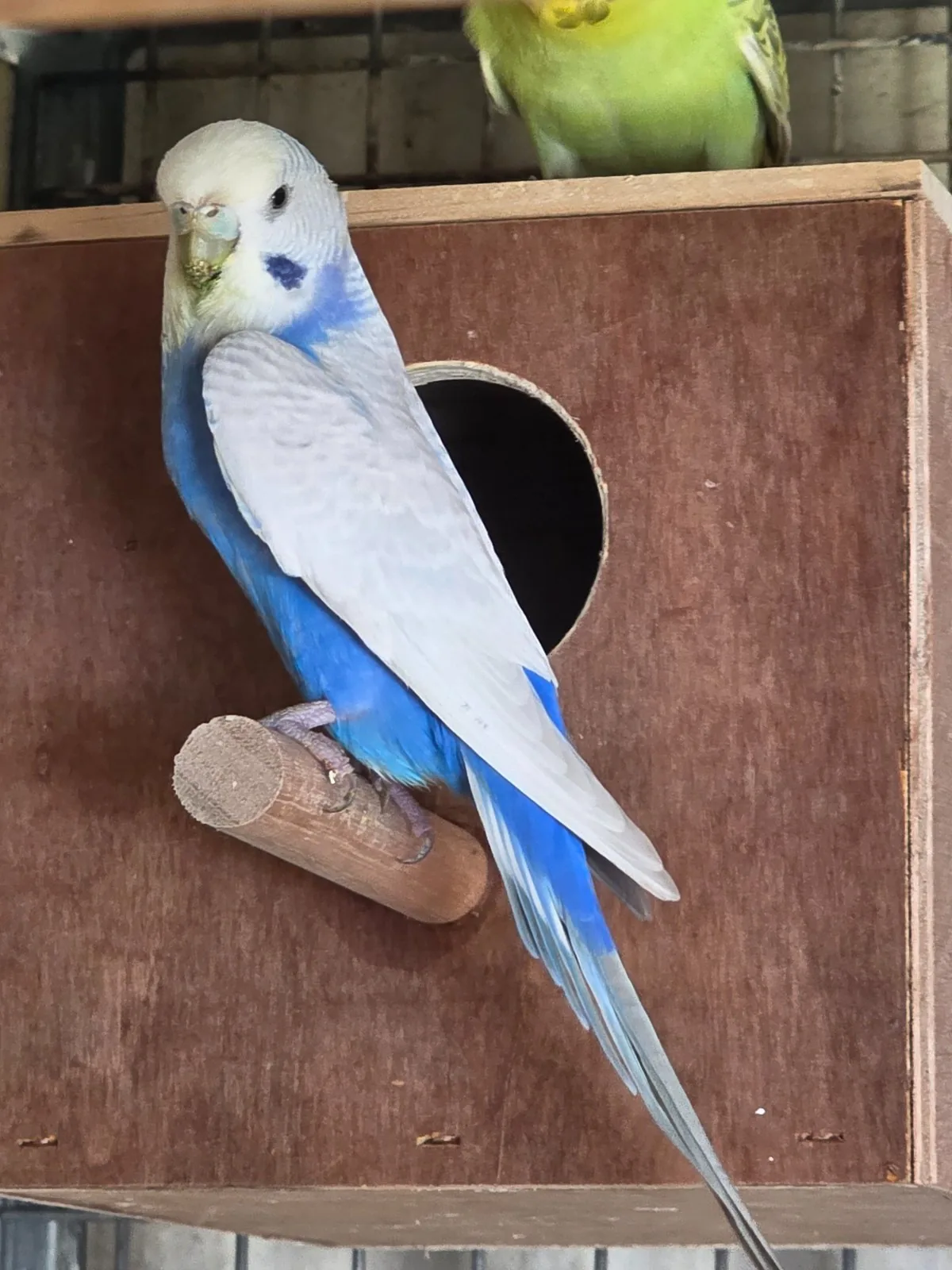
Red Violet ClearwingSF Violet on a Cobalt base with strong Heritage Clearwing expression. The Violet-on-Cobalt combination creates the vivid Red Violet colour target, with white wing contrast and tail depth recorded for comparison.
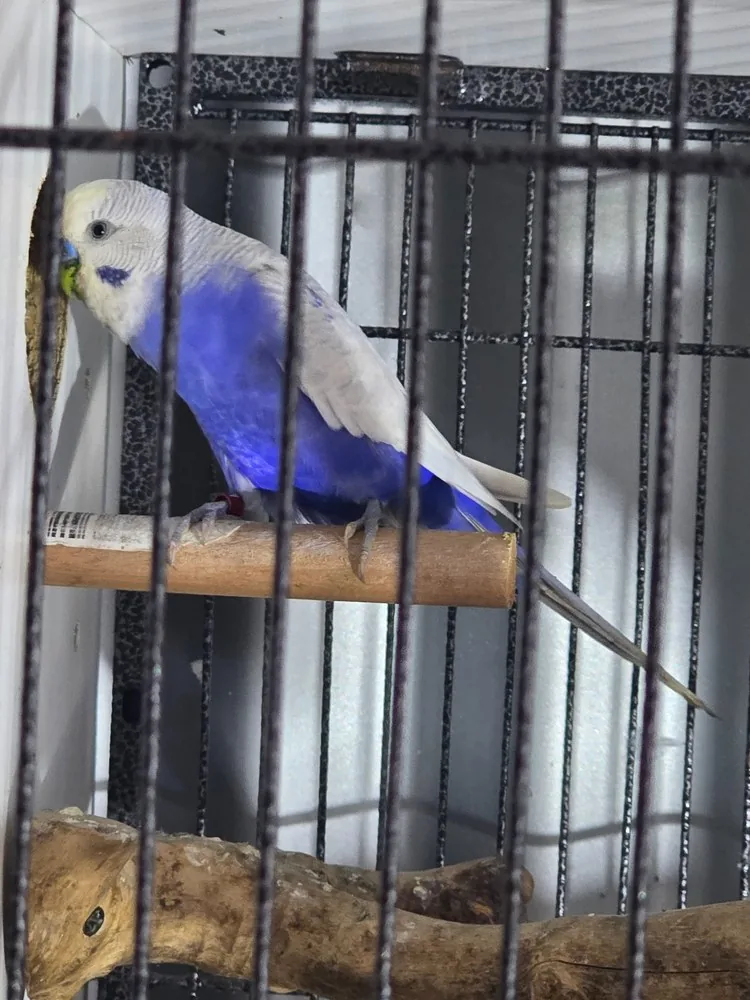
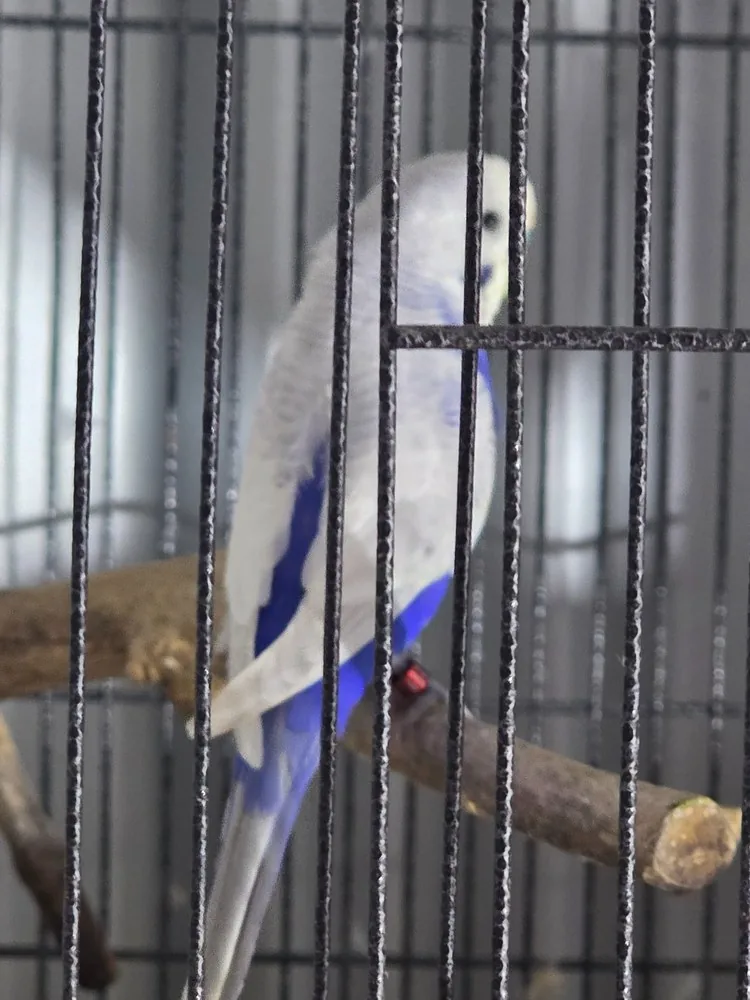
DF Red Violet ClearwingDouble factor Violet on a Cobalt base. These photos help compare the depth and saturation of DF Red Violet against standard Red Violet and Violet Mauve results across related lines.
Red Violet Opaline ClearwingRed Violet with Opaline feather patterning. The Opaline gene adds body colour into the wings in a saddle pattern, combining with the rich Violet Cobalt base colour to produce a striking bird.
Violet & Opaline Line Photos
Violet ClearwingClassic Violet on a Sky Blue or Cobalt base with Heritage Clearwing wing expression. Strong violet sheen over the body with clean white wings. The Violet factor can show differently depending on the underlying dark factor.
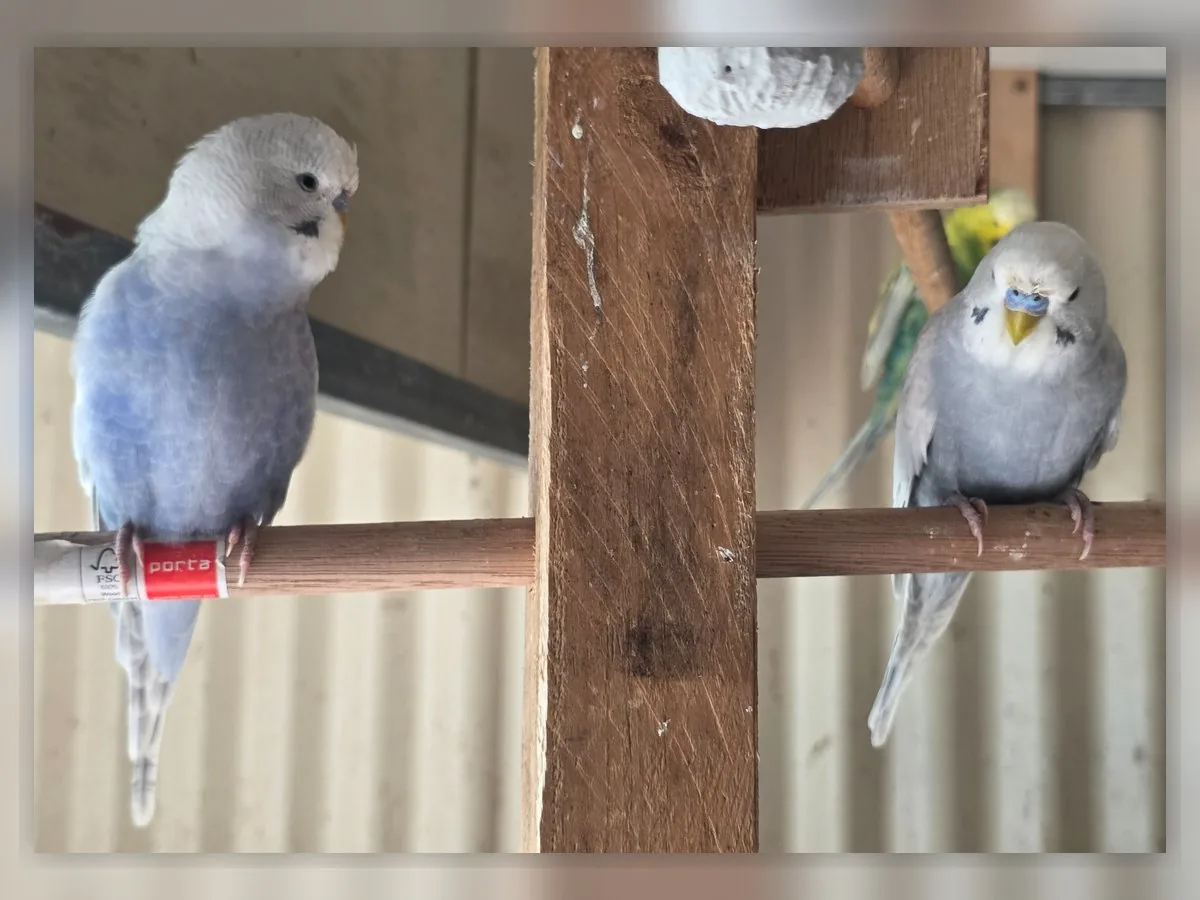
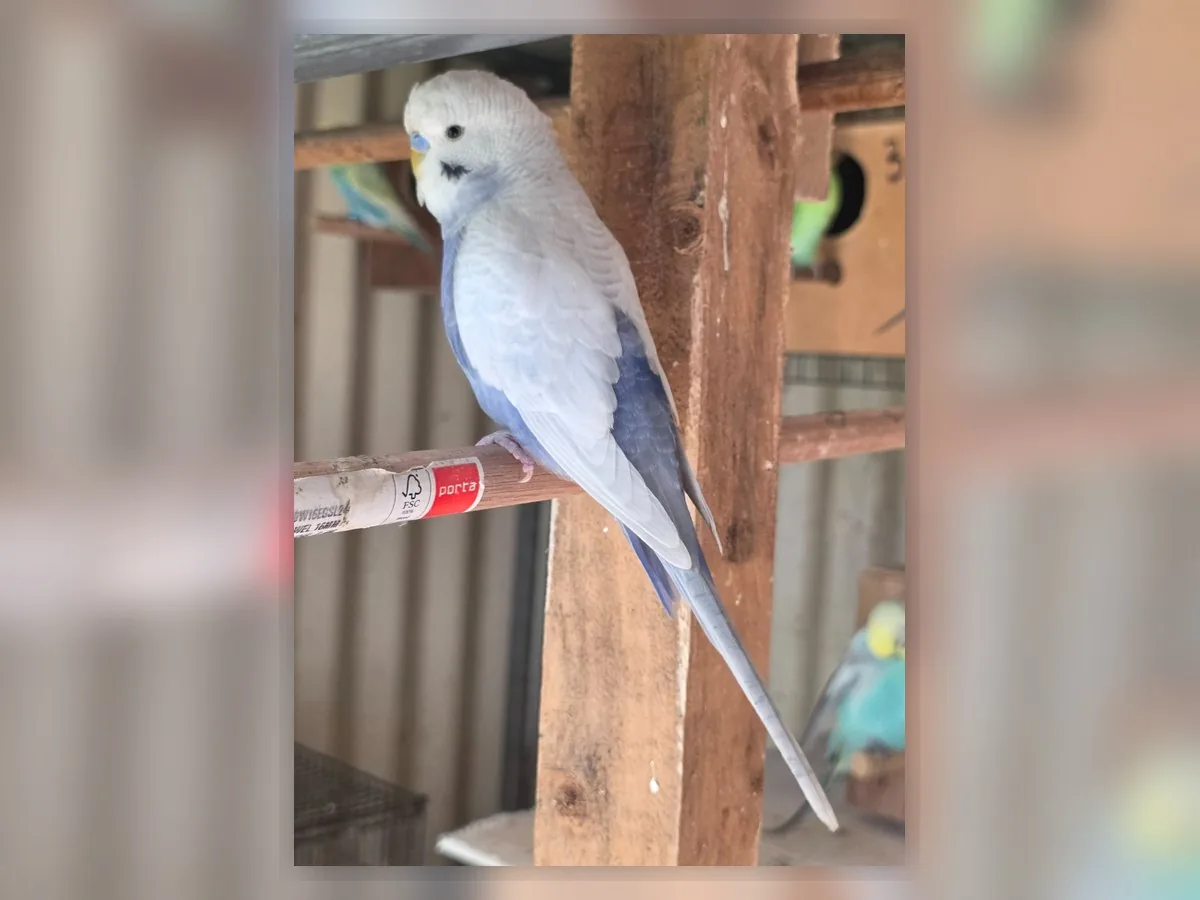
Violet Mauve ClearwingThe first photo shows a Violet Mauve Clearwing beside a Mauve Clearwing, so visitors can compare the extra Violet depth against a normal Mauve Clearwing. These birds are assessed for violet depth over a Mauve base, tail depth, cheek patch strength and clean pale wing contrast.
Violet Sky Blue ClearwingViolet factor on a Sky Blue base. The result is a violet-affected bird with a lighter, brighter tone than Violet Cobalt. Useful for understanding SF vs DF Violet across different base colours.
Cobalt ClearwingStandard Cobalt (one dark factor) without strong Violet influence. Deep blue body with clean pale wings. Important for the Violet and Red Violet projects as the Cobalt base is needed for Red Violet expression.
Violet Mauve Opaline ClearwingViolet Mauve with Opaline feather patterning. The deep dark-factor Violet body colour combined with Opaline wing saddle patterning produces a rich, complex looking bird.
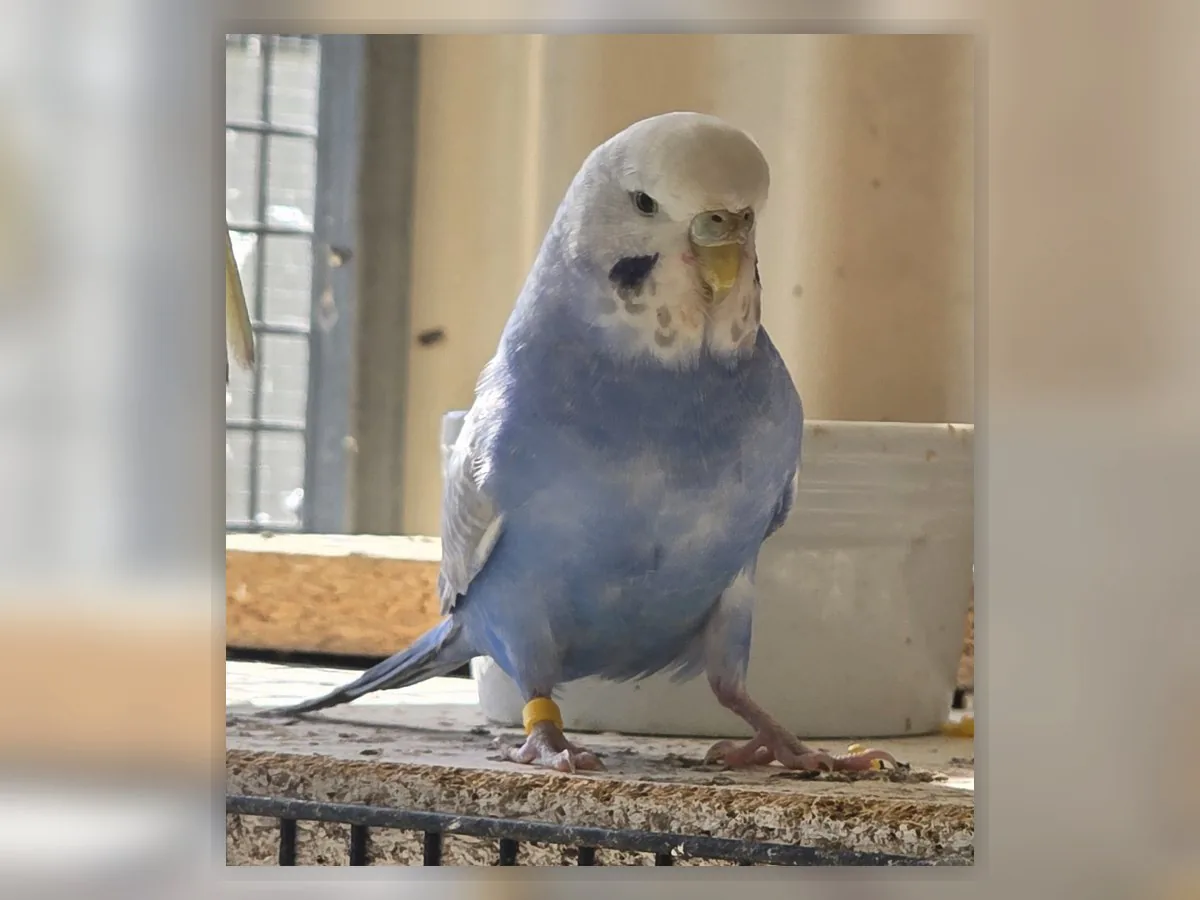
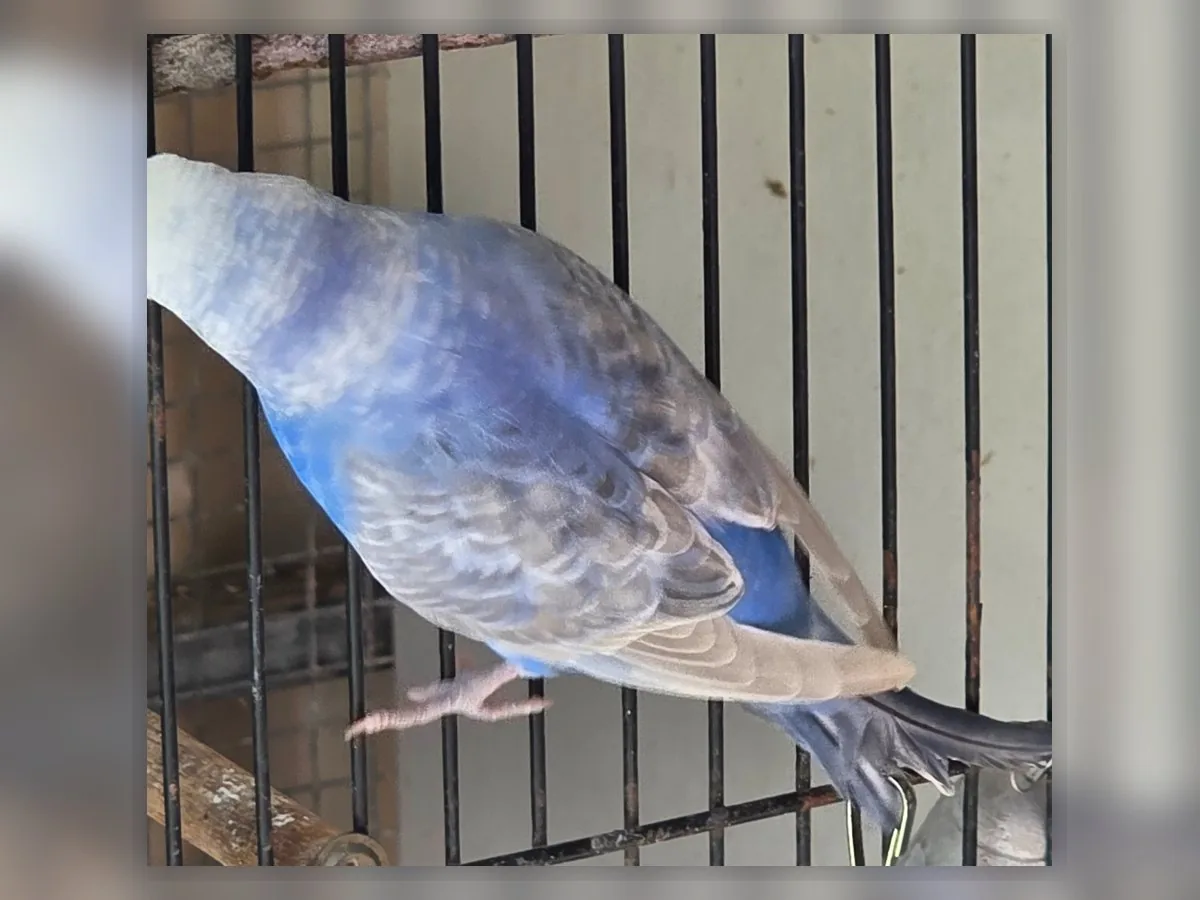
Violet Opaline ClearwingTwo views of Violet Opaline Clearwing expression. Opaline can alter the wing/saddle pattern, so these photos help record how much body colour is entering the wings and how the Violet factor presents.
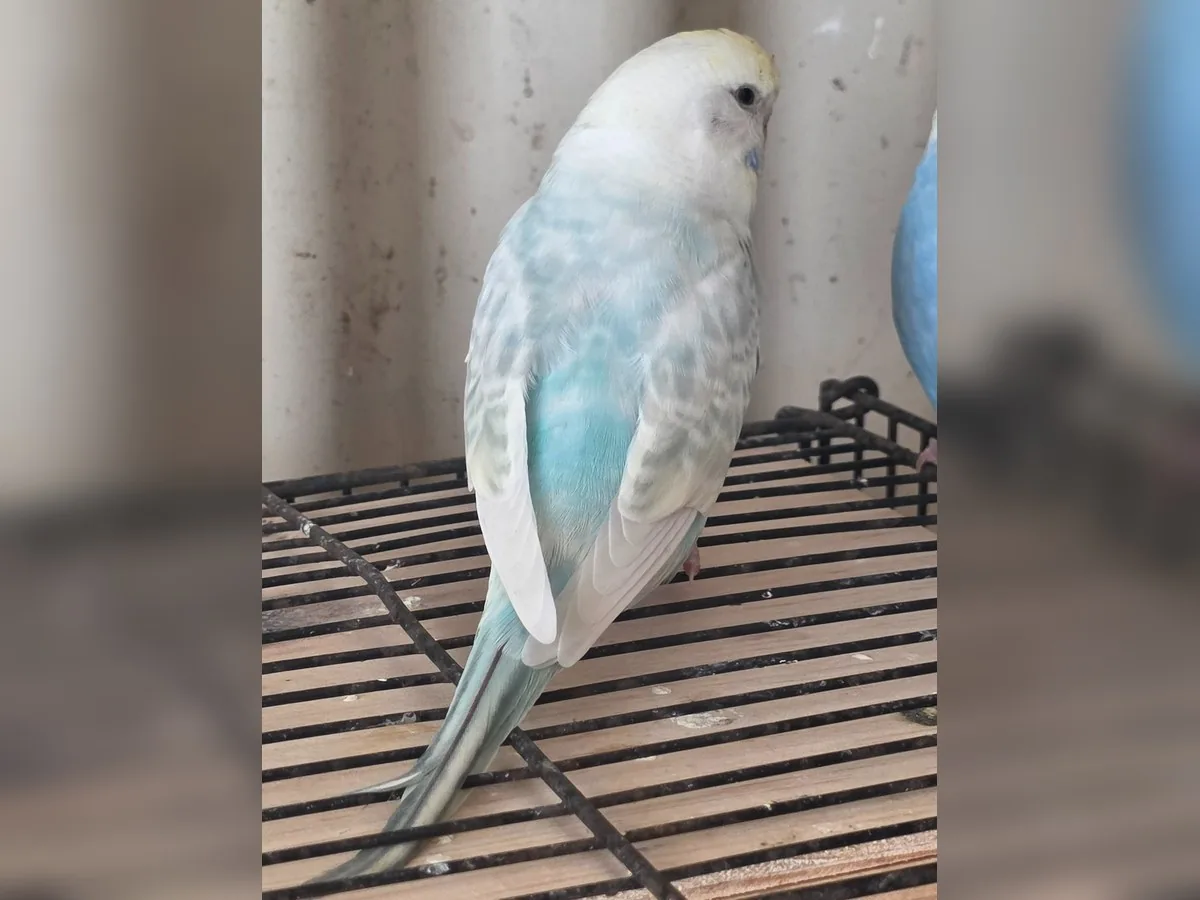
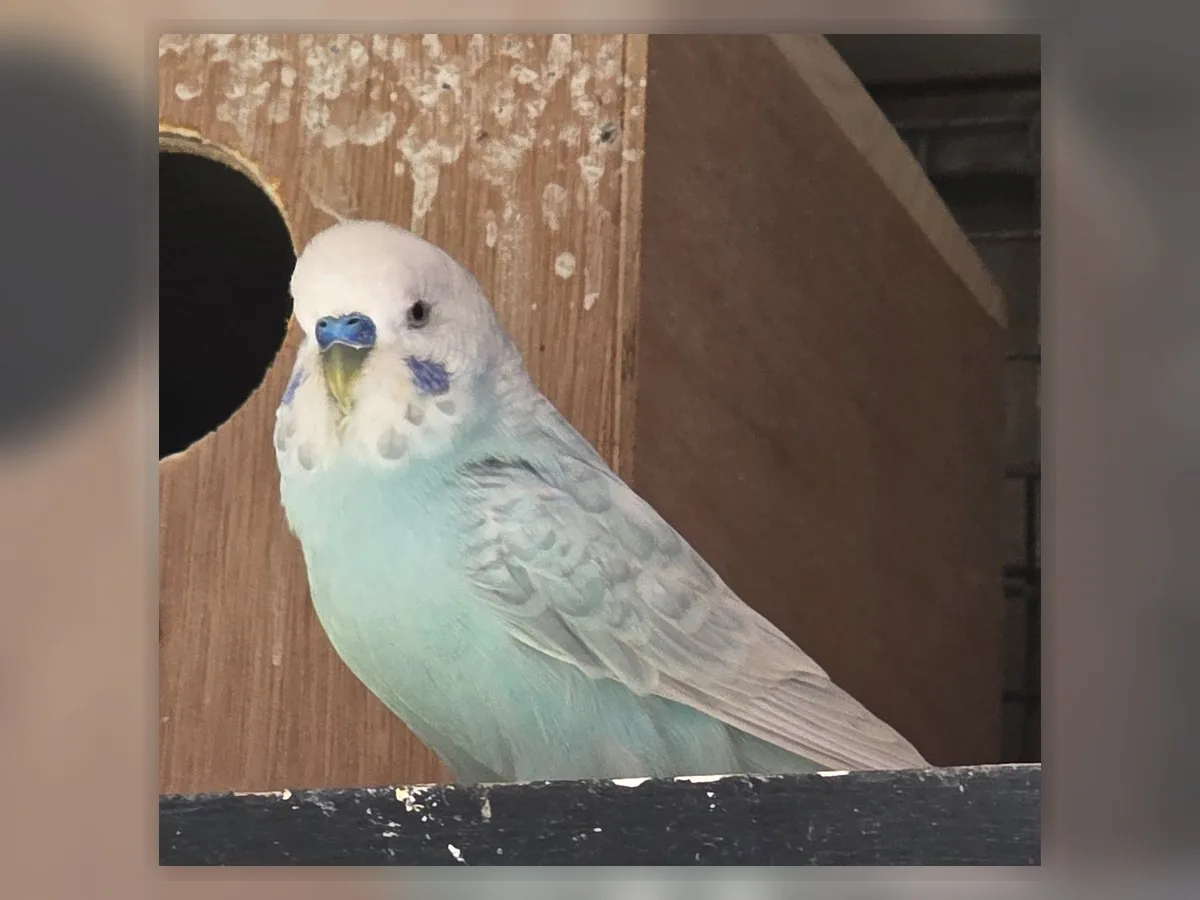
Sky Blue Opaline ClearwingTwo Sky Blue Opaline Clearwing photos for comparison. These help show Opaline patterning on a lighter blue base before adding Violet, Mauve or Whitecap/Seafoam influence.
Seafoam & Whitecap Line Photos
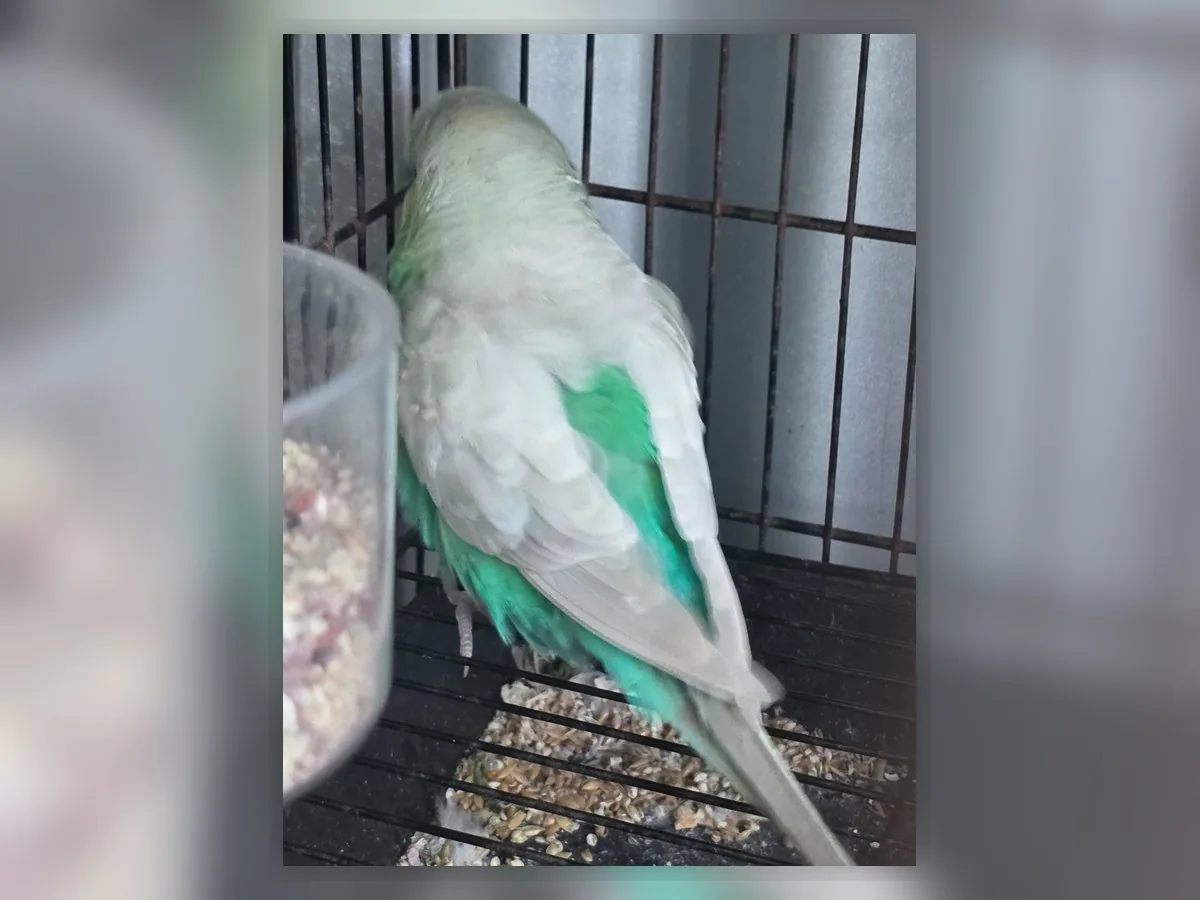
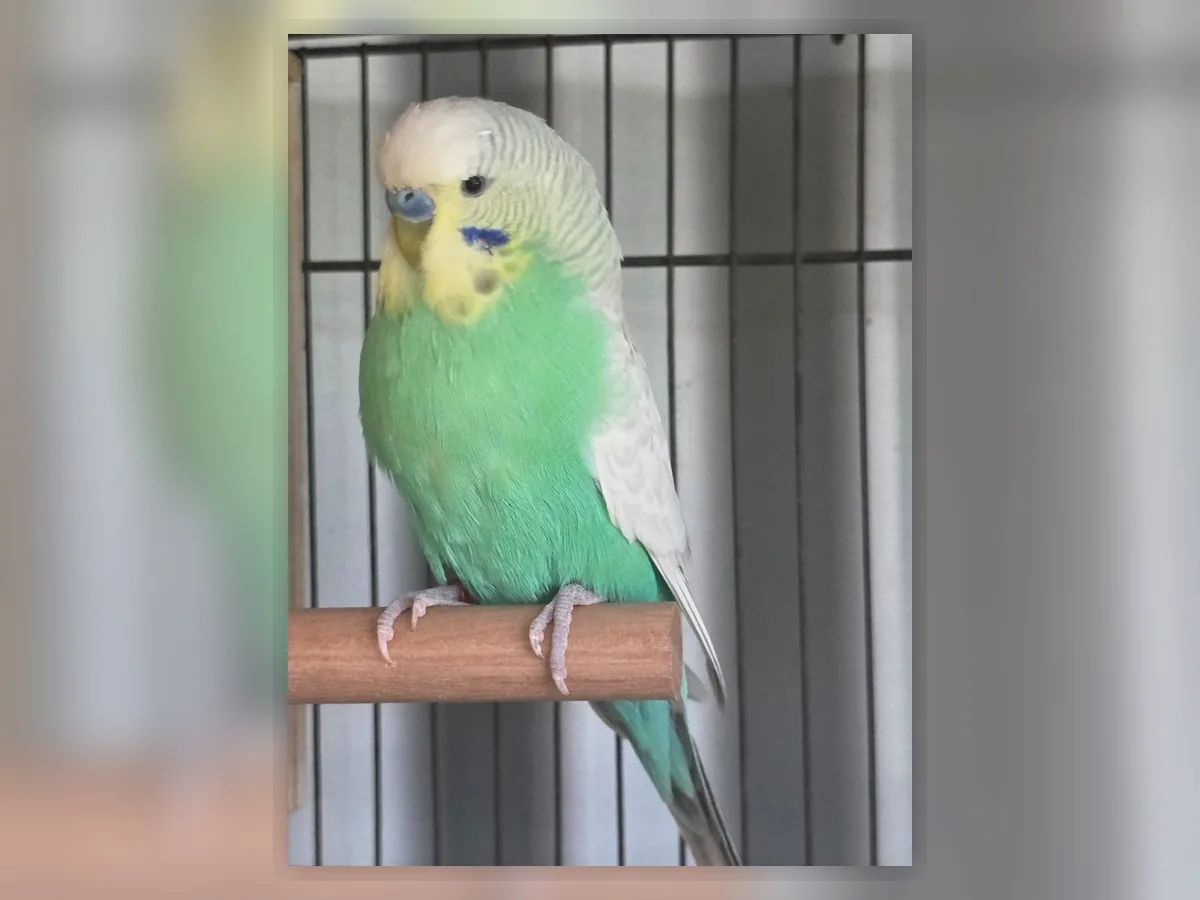
Seafoam ClearwingTwo photos showing Seafoam Clearwing expression. Seafoam comes from Whitecap/Yellowface-family influence on a blue-series base, giving a soft blue-green or seafoam look with pale wings.
Blue Seafoam ClearwingSeafoam-type bird on a clear Sky Blue base. The soft yellow-influenced face contrasts with the clean blue body and pale wings. Look for mask colour and how far the yellowface influence extends down the body.
Violet Seafoam ClearwingSeafoam Clearwing with Violet factor. The Violet adds depth and richness to the blue-green Seafoam body colour. Compare Violet vs non-Violet Seafoam birds to judge the Violet factor's effect on this line.
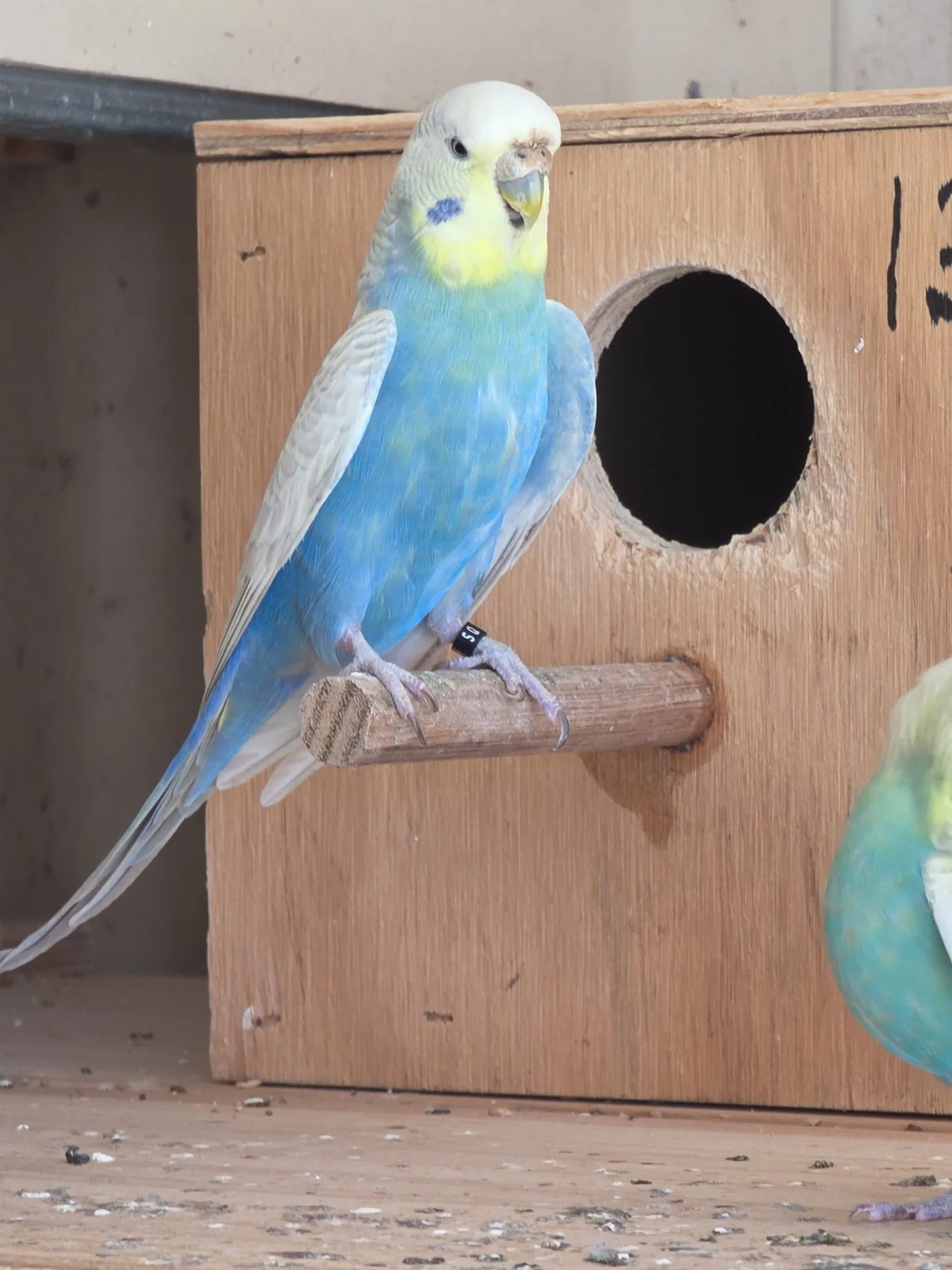
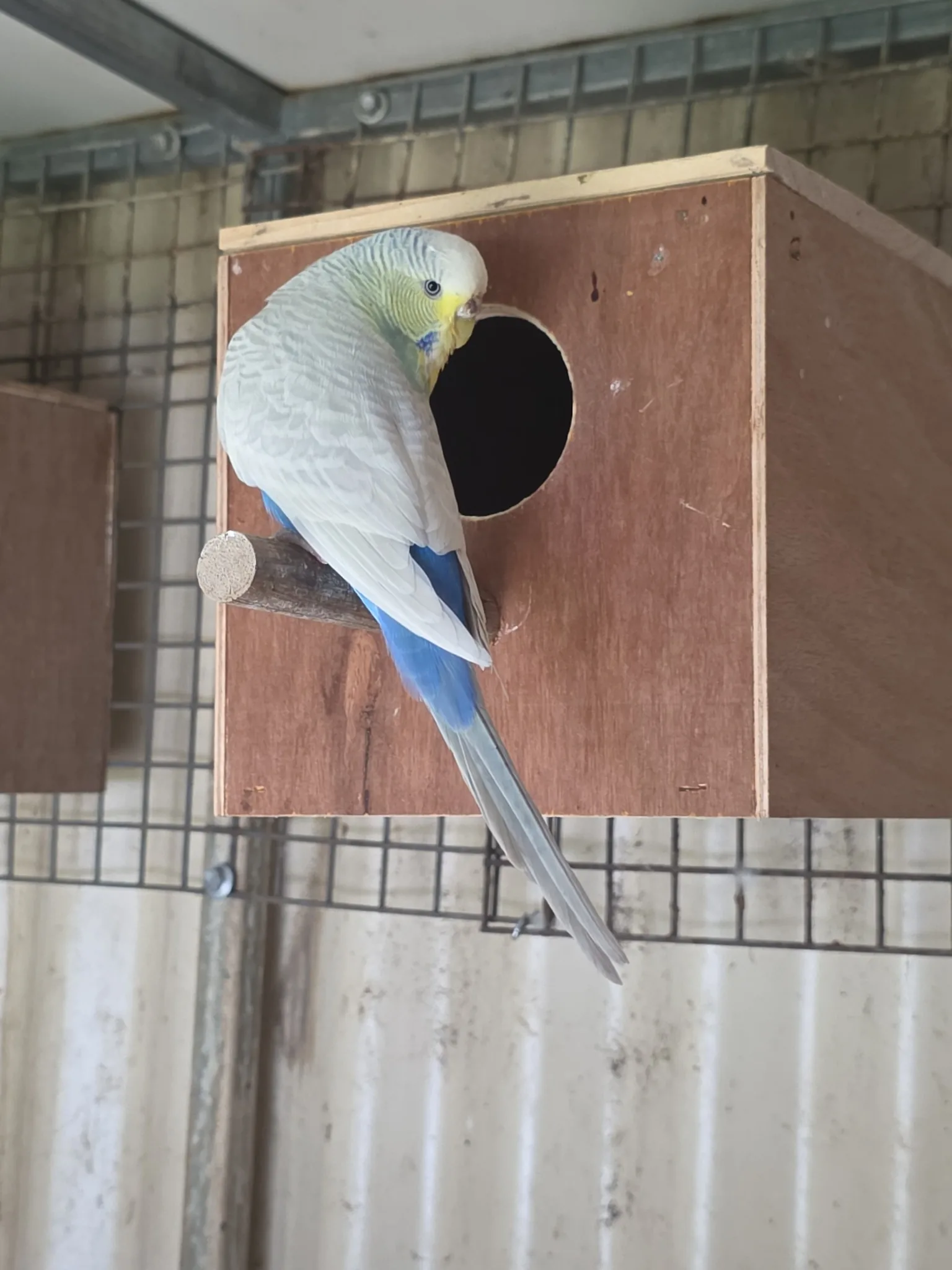
Whitecap Violet ClearwingWhitecap influence over a violet-affected blue body. These photos are useful for judging white face expression, body tone, cheek patch strength and value for future Whitecap/Violet pairings.
Whitecap Olive ClearwingWhitecap influence on an Olive or green-series dark factor base. This is kept as a project reference because Whitecap and green-series dark factor can produce unusual muted green/olive expressions.
Whitecap Violet Olive ClearwingWhitecap with Violet factor on an Olive base. A complex combination variety. The Violet factor sitting on Olive (double dark factor green-series) produces a distinctive deep warm tone overlaid with the Whitecap mask influence.
Rainbow Line Photos
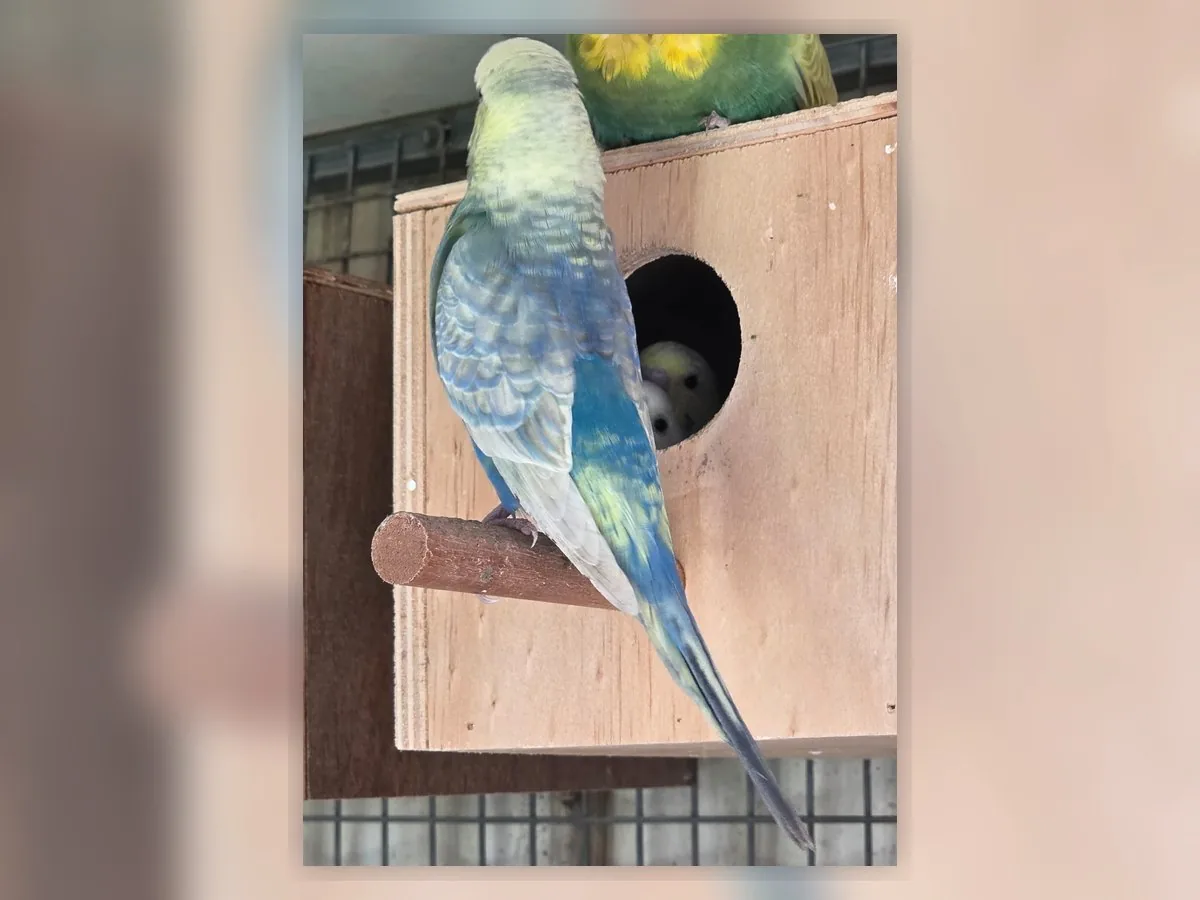
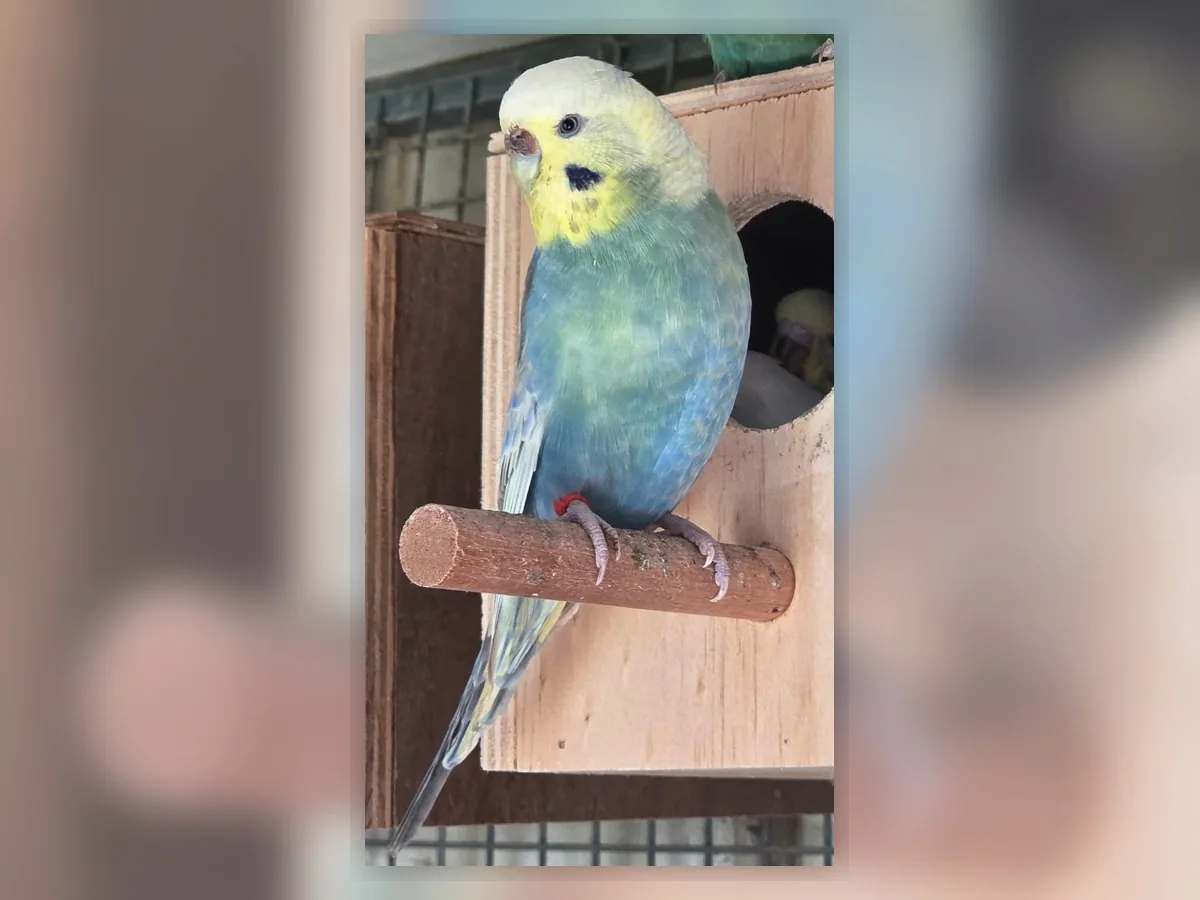
Whitecap Red Violet RainbowTwo reference photos for the Whitecap Red Violet Rainbow project. Rainbow birds combine blue-series, Yellowface/Whitecap influence, Opaline patterning and Clearwing/Greywing-family expression, with Red Violet adding strong body colour.
Whitecap Violet RainbowWhitecap Rainbow with Violet factor. The Whitecap white face combines with Violet body depth and Opaline patterning. Colour combinations on Rainbow birds depend heavily on base colour, Violet factor strength and Yellowface/Whitecap expression.
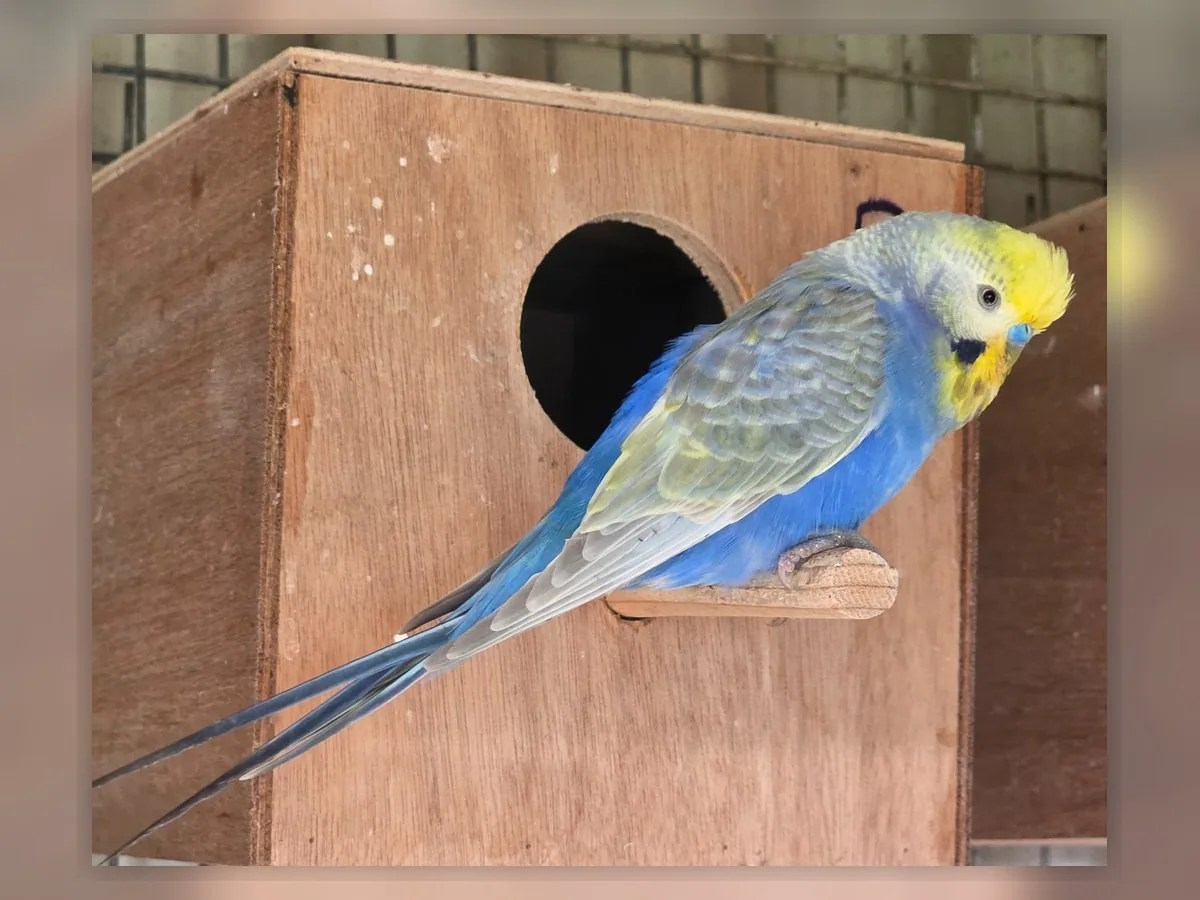
Violet RainbowA Violet Rainbow reference bird. Violet deepens the blue-series Rainbow body colour, while Opaline and face-colour influence change the way colour spreads across the wings and body.
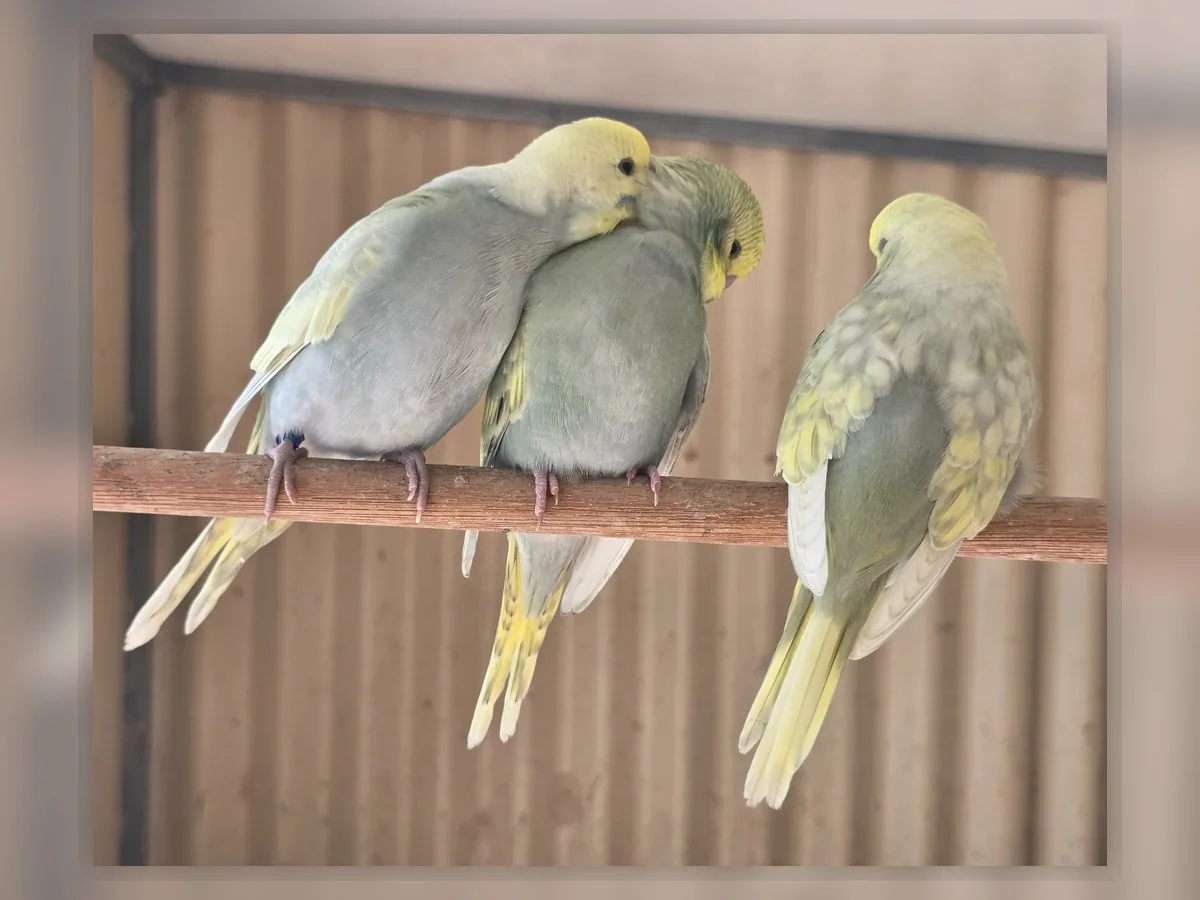
Mauve RainbowMauve Rainbow project birds show darker blue-series body depth with Rainbow patterning. These birds are useful for comparing how dark factor changes Rainbow expression.
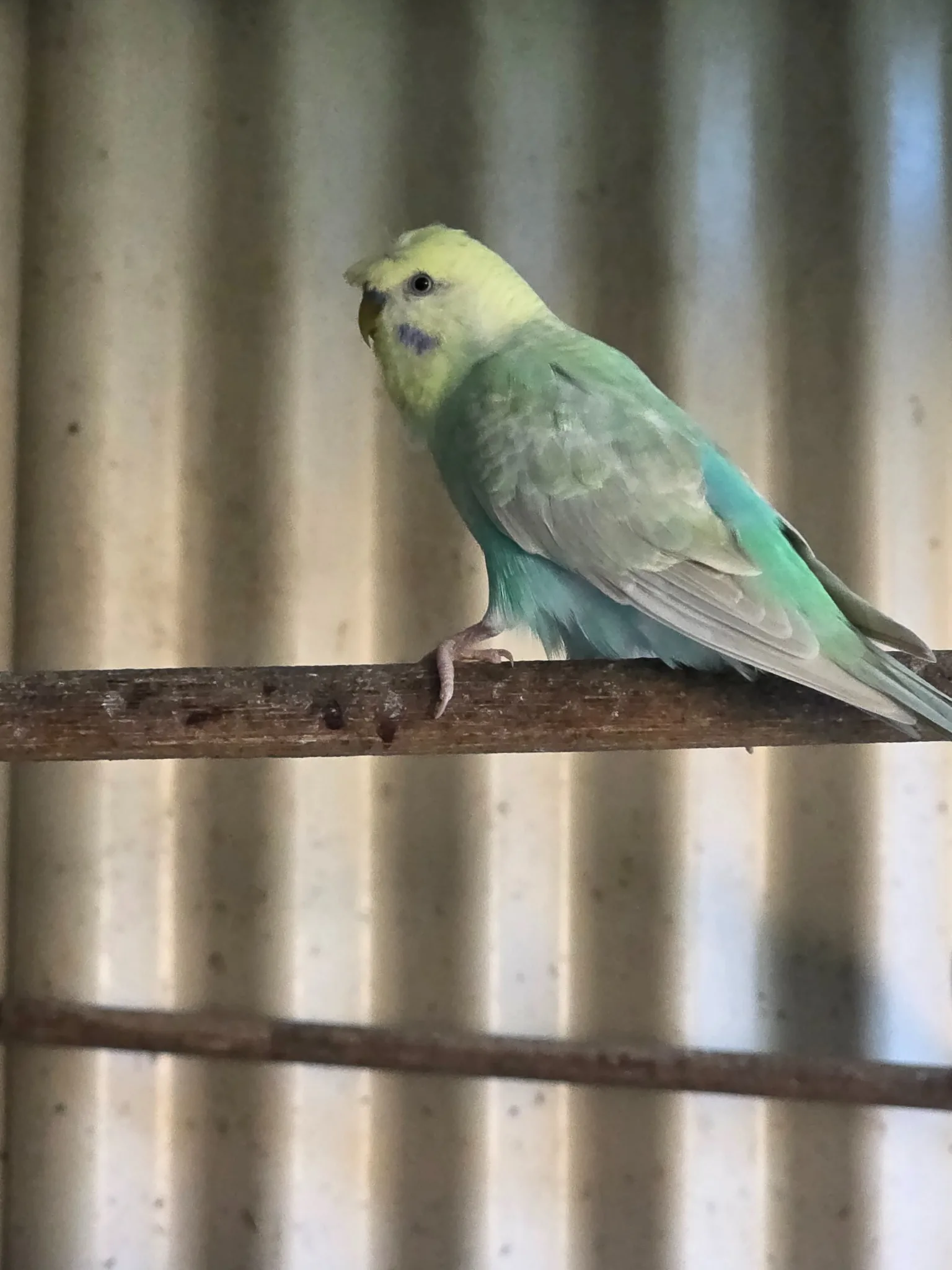
Crested Rainbow Split BlueCrested Rainbow bird carrying split-to-blue. The Crest is tracked as an additional feature while the split Blue note is important for future blue-series chicks depending on the mate.
Green Series Line Photos
Green ClearwingStandard green-series Clearwing with no dark factor. Bright green body with clean pale wings. Green-series birds are useful for outcrossing strength and split-blue tracking.
Dark Green ClearwingOne dark factor green-series Clearwing, equivalent to Cobalt in the green series. Useful for managing dark factor and producing Olive Clearwings when paired correctly.
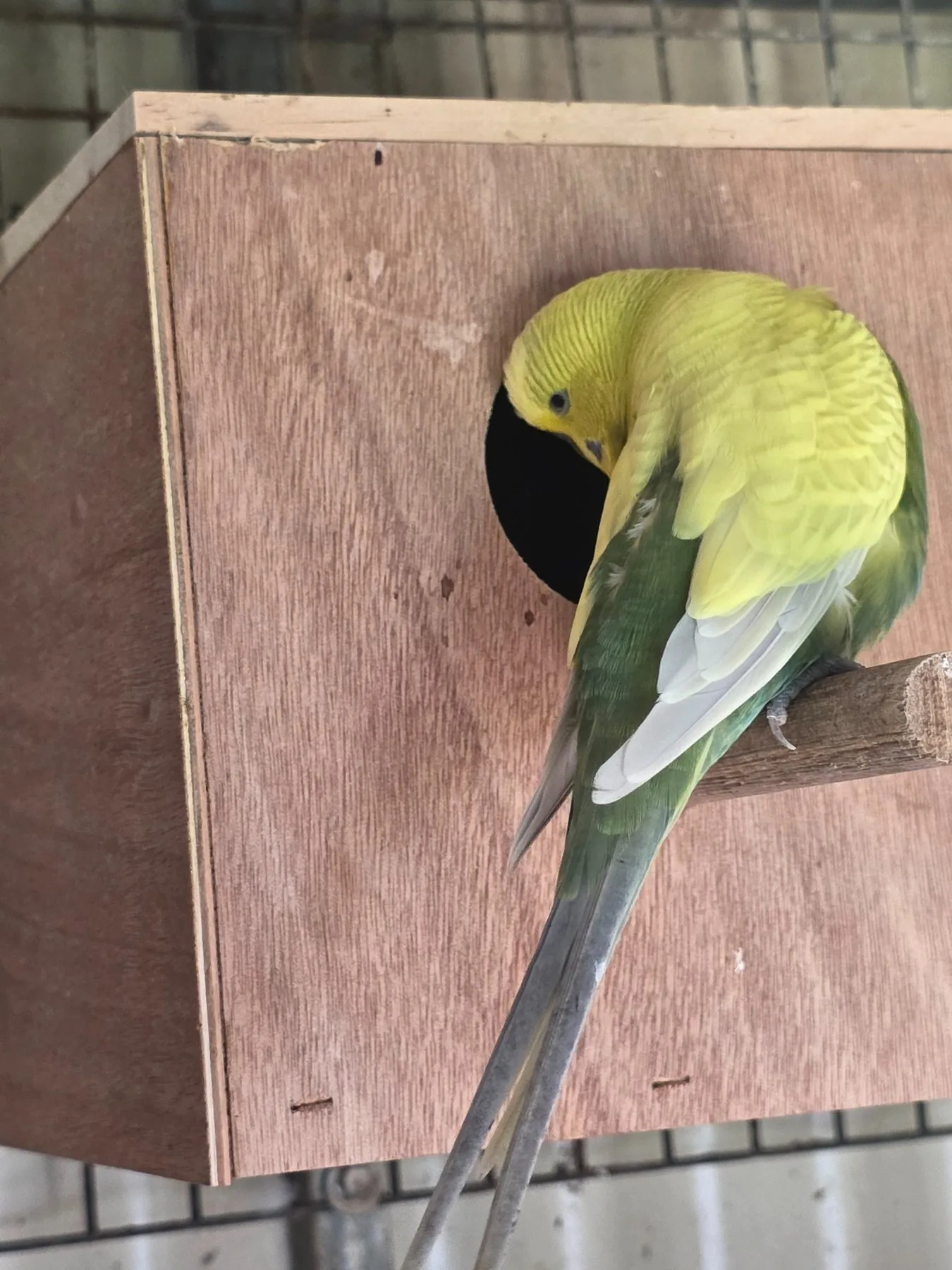
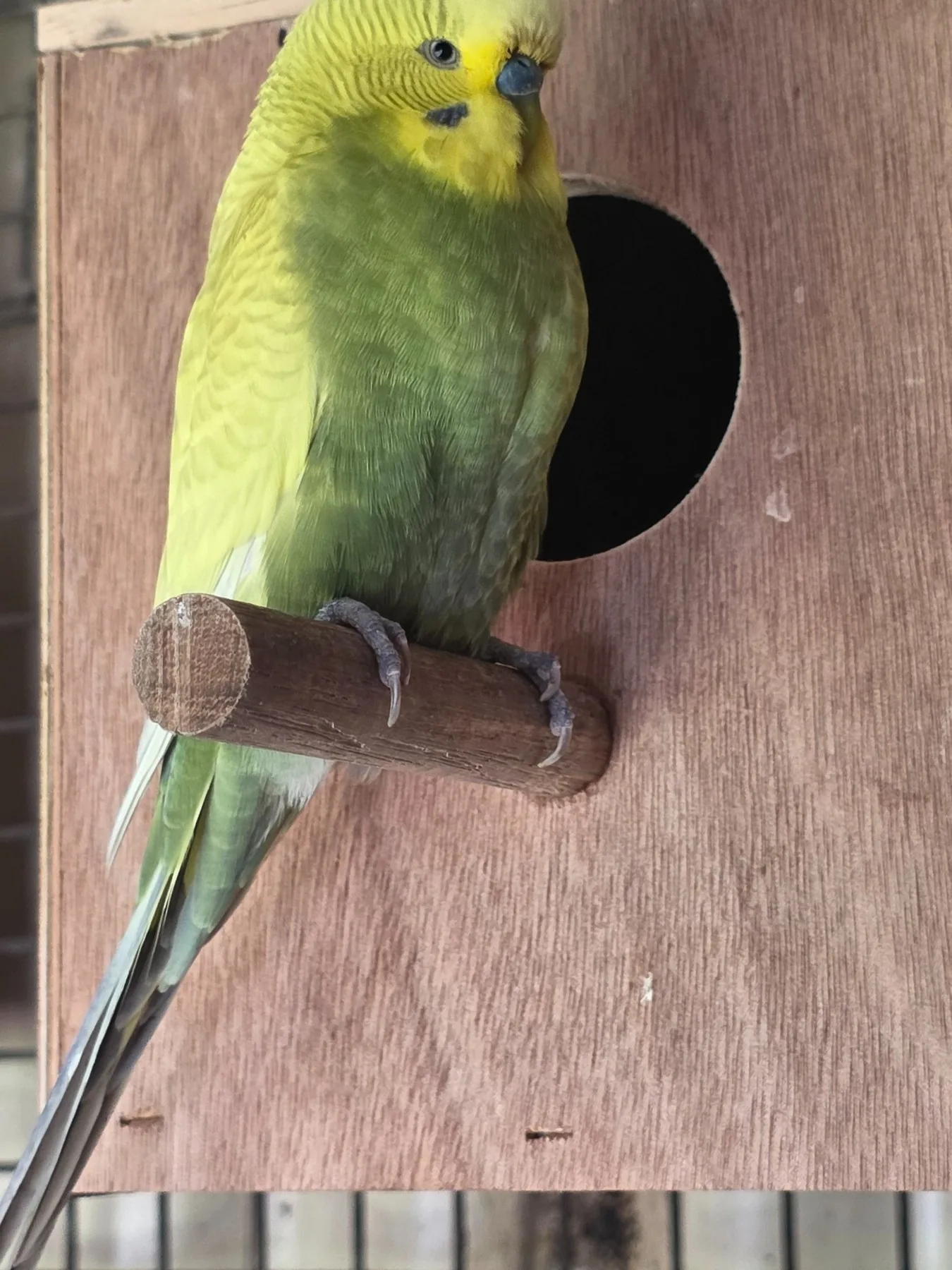
Olive ClearwingOlive Clearwing photographed from the green-series line. This double dark factor green-series bird is useful for dark factor management and for Whitecap Olive or Violet Olive project pairings.
Fallow Line Photos
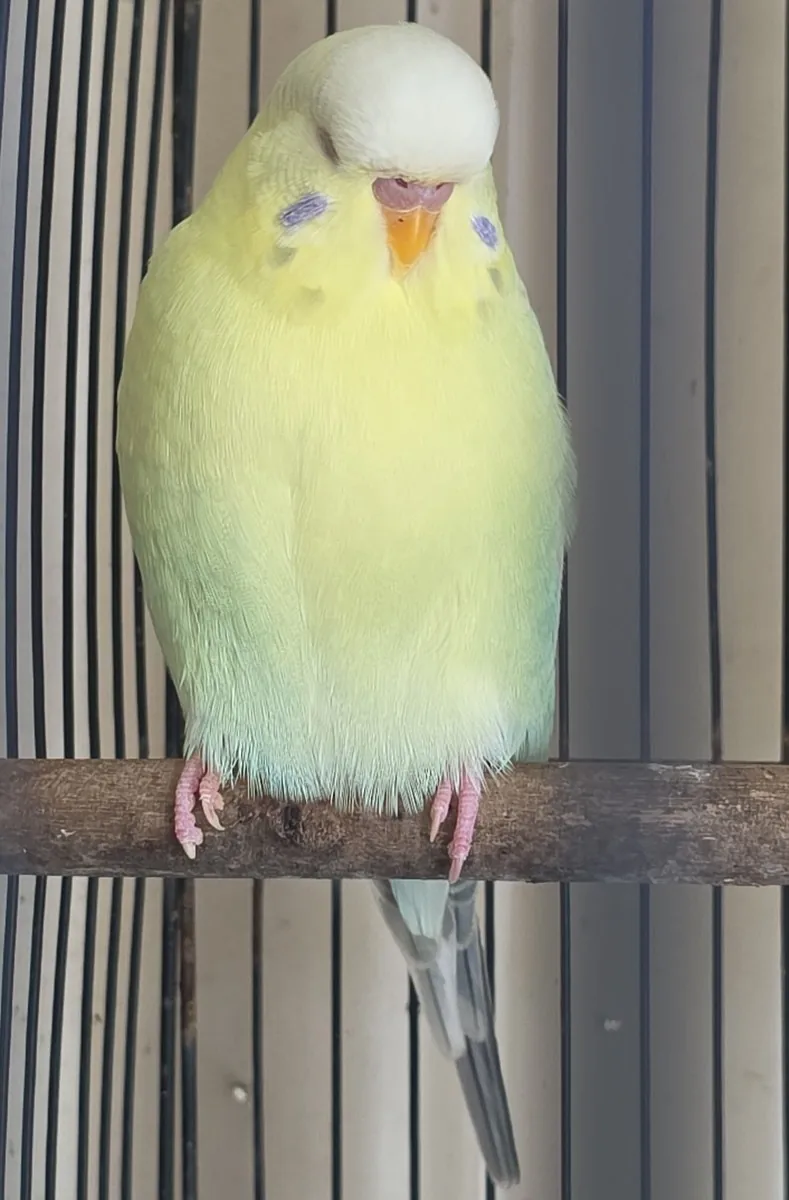
Visual Fallow Seafoam ClearwingA visual Fallow bird in the Seafoam Clearwing line. Fallow produces softened markings, washed body colour and plum/red eye influence, so these birds are recorded as a separate recessive project.
Visual Fallow Sky Blue ClearwingVisual Fallow on a Sky Blue Clearwing base. Fallow is recessive — both parents must carry the gene for a visual Fallow chick to appear. Look for the characteristic reddish or plum eye colour, washed-out body colour and softened markings that define a visual Fallow.